2026-10-07
Does skin tone change how SMP looks? What I tell clients
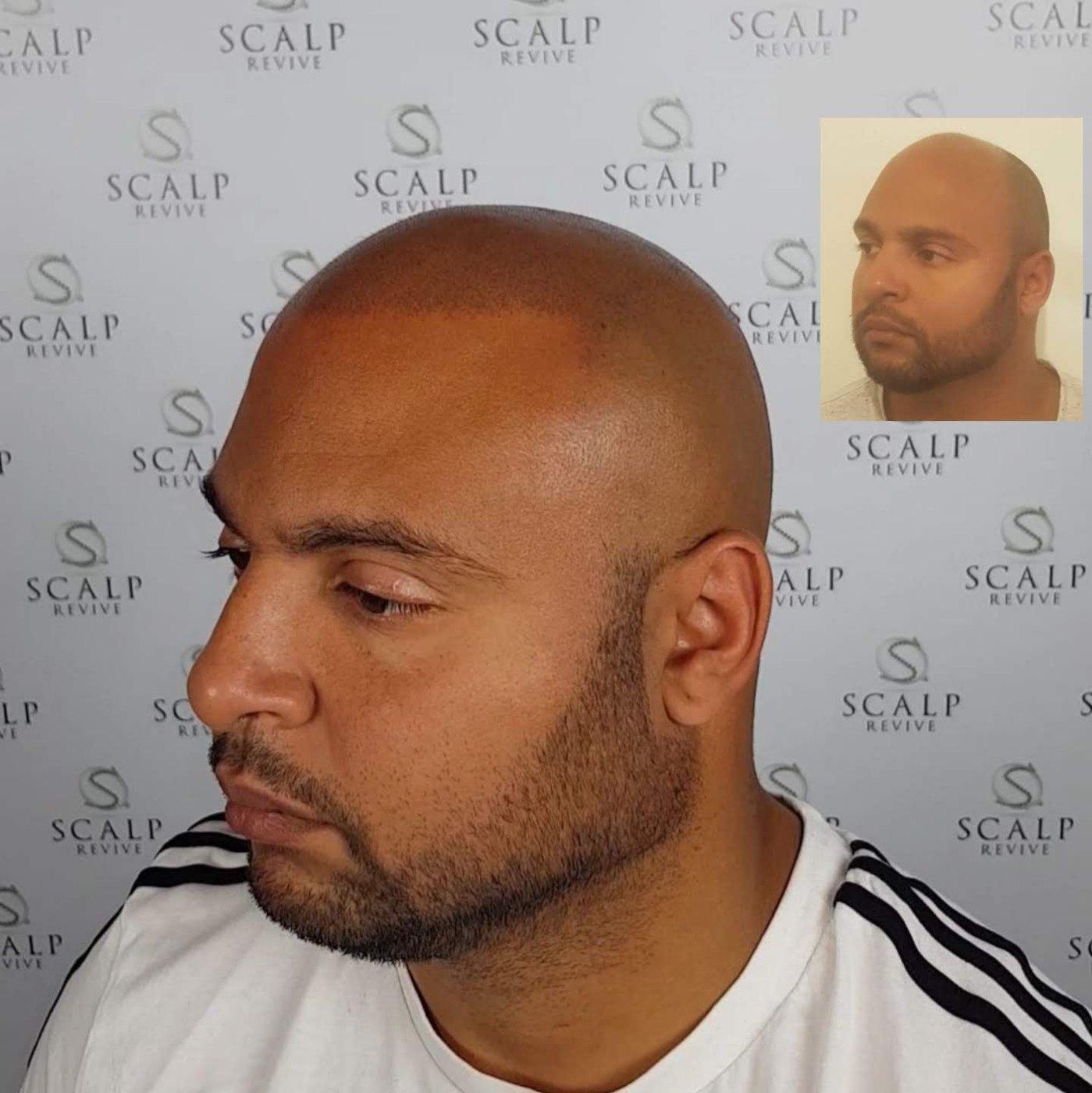
Scalp micropigmentation can work well across a wide range of skin tones when the pigment, dot size, density and hairline are planned for the individual. Skin tone does not decide the result on its own. Technique, healed-work experience and realistic design matter just as much.
How does skin tone affect scalp micropigmentation?
Skin tone affects the contrast between your scalp, hair and implanted pigment, so it is one of the details I assess before treatment. It does not make someone automatically suitable or unsuitable for SMP. My aim is to create a soft optical blend, not a solid block of colour on the scalp.
The pigment is chosen to work with your current hair follicle colour and overall complexion. That may mean adjusting the tone and strength of the pigment rather than using the same formula for every client. Hair colour, remaining hair, scalp texture and the pattern of hair loss all influence the design too.
SMP is a cosmetic tattoo treatment. It creates the appearance of closely cropped follicles or greater density by placing very small dots in the scalp. It does not grow hair, alter natural growth or damage existing follicles. For clients with longer hair, placing pigment between existing hairs can reduce the amount of visible scalp. For more advanced loss, a closely shaved style often gives the most consistent blend.
Does SMP for dark skin need a different approach?
A natural result is possible on dark skin, but it still needs careful planning. Darker skin can make contrast, dot spacing and hairline edges particularly important. Some clients prefer a soft hairline that fades gradually into the skin. Others want an edge-up style that looks sharper and more like a fresh barber finish.
Neither choice is automatically better. I discuss the look you want, how you normally wear your hair and how much definition feels natural to you. A hairline that is too straight, too low or too dense can look artificial on any complexion. This is why I take hairline work seriously, including the shape, age-appropriate position and transition at the temples.
When you review an artist, do not look only at dramatic immediate photographs. Ask to see healed work on clients with comparable hair loss and, where possible, a range of complexions. You can view examples in the Scalp Revive results gallery, then discuss what is realistic for your scalp during consultation.

Can scalp tattooing work on fair skin?
A scalp tattoo on fair skin can also look natural when the dots are small, spaced carefully and matched to the hair rather than simply made dark enough to stand out. Fair skin may show an overly strong hairline or excessive saturation clearly, particularly when very little natural hair remains around the treatment area.
I generally want the result to look like follicle shadow and natural density, with some scalp still visible. That visible scalp is important. SMP should not look like the whole head has been painted in. A convincing result has variation in dot placement and density, especially around the frontal hairline and areas where natural hair becomes finer.
The colour may look stronger immediately after treatment and then soften during healing. Lightening is a normal part of the process, so I explain what to expect rather than encouraging clients to judge the final appearance too soon. The scalp continues to settle after each session, which is one reason treatment is built progressively.
What happens at the consultation before SMP treatment?
At consultation, I look at your skin tone, hair colour, current density, hairline and the reason for your hair loss. We discuss whether you want a shaved appearance, density through existing hair, scar camouflage or another approach. Scalp Revive offers a scalp micropigmentation treatment for different patterns of hair loss, but the plan must be individual.
Before starting, the treatment areas should be marked and the hairline agreed with you. For someone who is fully bald, the design should take facial structure and age into account. I also match pigment to the hair colour and talk through the expected healed appearance, maintenance and aftercare. You should disclose any allergies, and we can discuss whether a patch test is sensible for you.
If you have active eczema, psoriasis or scalp inflammation, treatment may need to wait until the condition has settled. Anyone with a history of spontaneous or keloid scarring should speak with a dermatologist before booking, because tattooing can trigger abnormal scarring, and keloids are more common in darker skin. If hair loss is unexplained, medical assessment is sensible before choosing a camouflage treatment. SMP does not diagnose or treat the cause.
How can I judge whether an artist understands different skin tones?
Ask specific questions rather than relying on a general claim that an artist treats all complexions. I would look for:
-
Healed photographs, not only fresh treatment images.
-
Hairline examples showing soft transitions and different design preferences.
-
Evidence of work on a range of skin tones, hair colours and hair-loss patterns.
-
A clear explanation of pigment choice, dot placement and how the result should age.
-
SMP-specific training, a body-art practitioner licence and bloodborne pathogens certification.
-
A clean studio, sterile packaged needles opened in front of you and appropriate barrier protection.
I am Shane Anderson, lead artist at Scalp Revive in Alwoodley, Leeds. My background in barbering and hairline work informs how I assess the relationship between the follicle pattern, haircut and face. I am trained in permanent scalp micropigmentation and tricopigmentation, and I use consultation to decide what is appropriate rather than applying one fixed pattern to everyone.
What aftercare helps the colour settle?
After each session, follow the specific instructions you are given. General good-practice guidance is to keep the scalp dry, avoid shampooing, shaving, sweating, heavy exercise, hot showers, steam rooms and direct sun exposure for the initial period advised by your practitioner. A shower cap can help when bathing.
Do not pick or interfere with flaking. Keep the area protected from sun once normal grooming resumes, using broad-spectrum SPF long term because ultraviolet exposure can contribute to fading. Avoid swimming pools for as long as your provider advises. Healing varies between people and treatment areas, and your artist will guide you.
Contact your healthcare provider if you develop fever, pus or drainage, severe pain, marked redness or swelling. Contact your practitioner about any concern that goes beyond what was discussed at consultation.
If you are unsure how your complexion, hair colour or pattern of hair loss may affect the result, you are welcome to book a free consultation without pressure.
Frequently asked questions
Will SMP look different as my skin ages?
The pigment gradually softens and fades as skin renews and as it is exposed to ultraviolet light. Ageing can also change the surrounding hair and skin, so a future review may be useful. Long-term sun protection and sensible aftercare help protect the appearance, but no cosmetic tattoo remains unchanged forever.
Can SMP be used with white or blonde hair?
It can be considered for lighter hair, but the design needs to account for the contrast between the follicle effect, scalp and surrounding hair. The right pigment is not necessarily a black or very dark shade. A consultation is important because the shaved length and natural follicle colour affect how convincingly the dots blend.
Is SMP suitable for an uneven scalp texture?
It may be possible, but texture, scarring and previous procedures can affect how pigment settles. Scar tissue can respond differently from unscarred skin, so expectations need to be realistic and the area should be assessed directly. I would not recommend treating an active scalp condition until it has been addressed.
Can I have SMP if I still have thinning hair?
Yes, SMP can be placed between existing hairs to reduce visible scalp and create an impression of greater density. The design must follow your natural growth pattern and allow for future changes in hair loss. Some clients keep fine stubble, while others choose a fully shaved style for a more even visual blend.
Will the pigment turn blue on fair or dark skin?
Colour can appear cooler as pigment settles beneath the skin, so pigment selection, depth and dot size matter across all complexions. A skilled practitioner should plan for the healed result rather than choosing a shade only by looking at it immediately after application. Healed photographs are useful when assessing technique.
Can SMP cover a scalp scar on any skin tone?
Scar camouflage depends on the scar's age, colour, texture, position and how it has healed, as well as your surrounding hair pattern. Some scars accept pigment differently from normal scalp. A consultation can establish whether camouflage is realistic and whether the scar is stable enough to consider treatment.
How long will a result last on different skin tones?
Longevity varies with sun exposure, skin type, lifestyle, immune response, hair-loss pattern and aftercare rather than skin tone alone. SMP commonly needs a future touch-up as pigment fades, but the timing differs between clients. Regular SPF and avoiding unnecessary sun exposure can help preserve the appearance.