Scalp micropigmentation
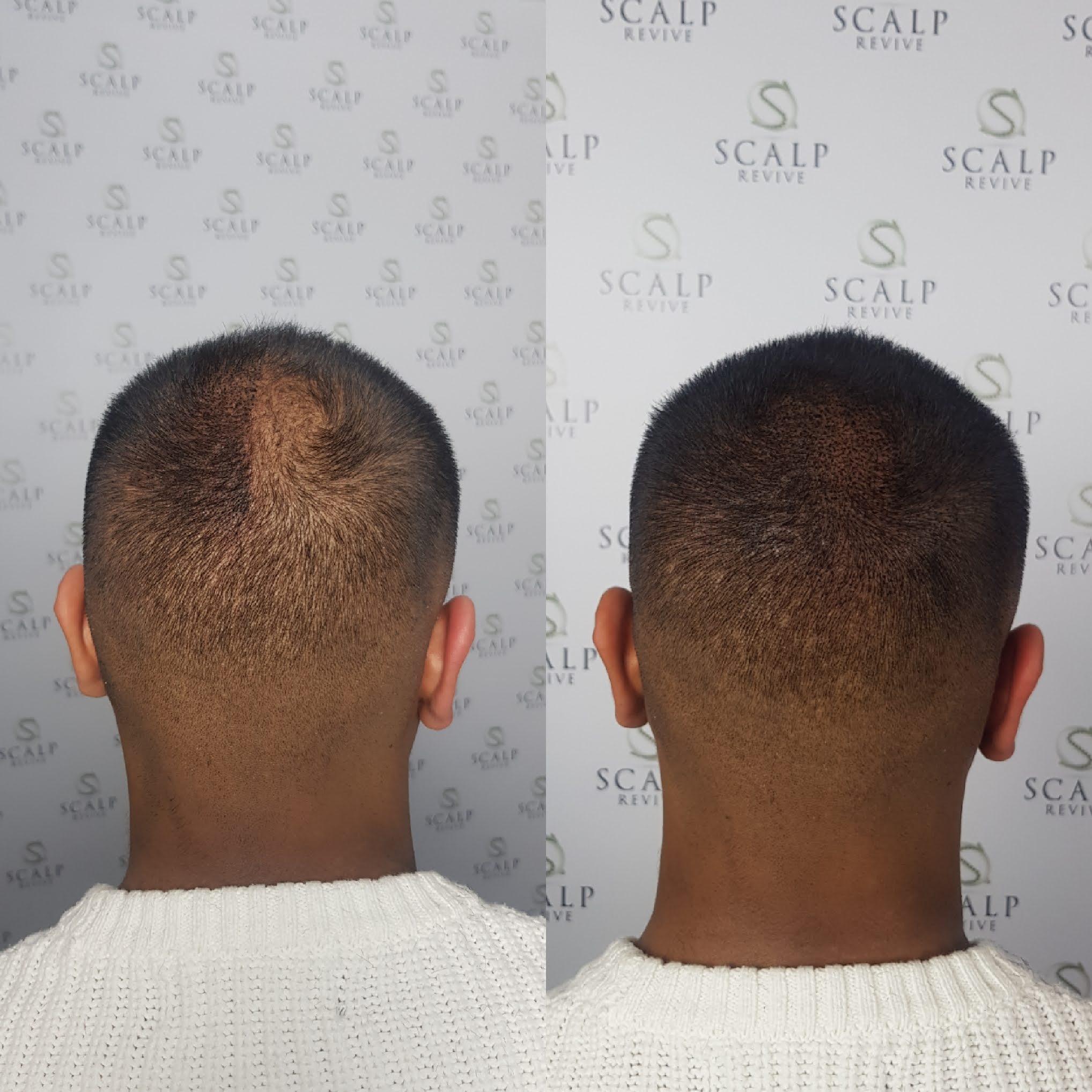
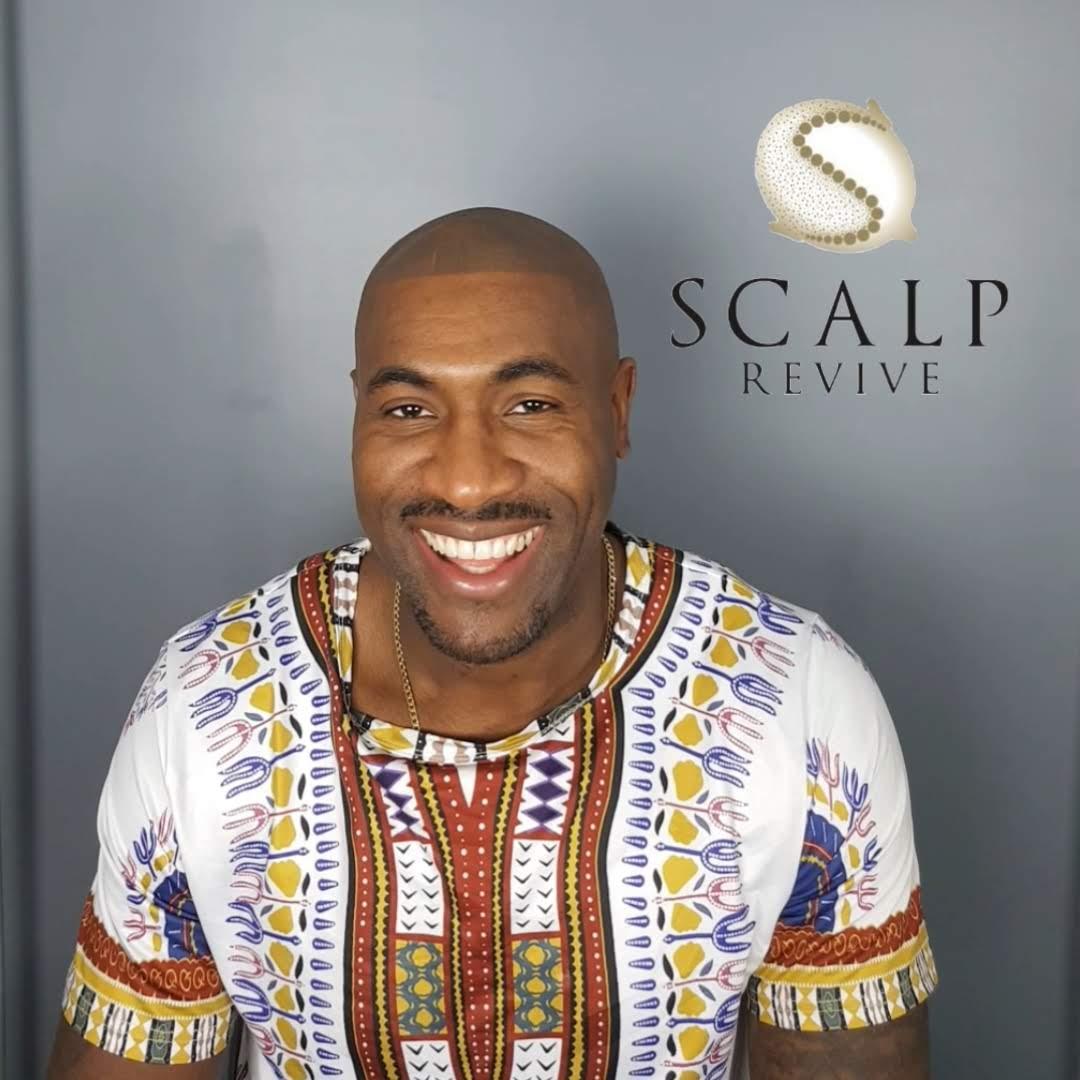
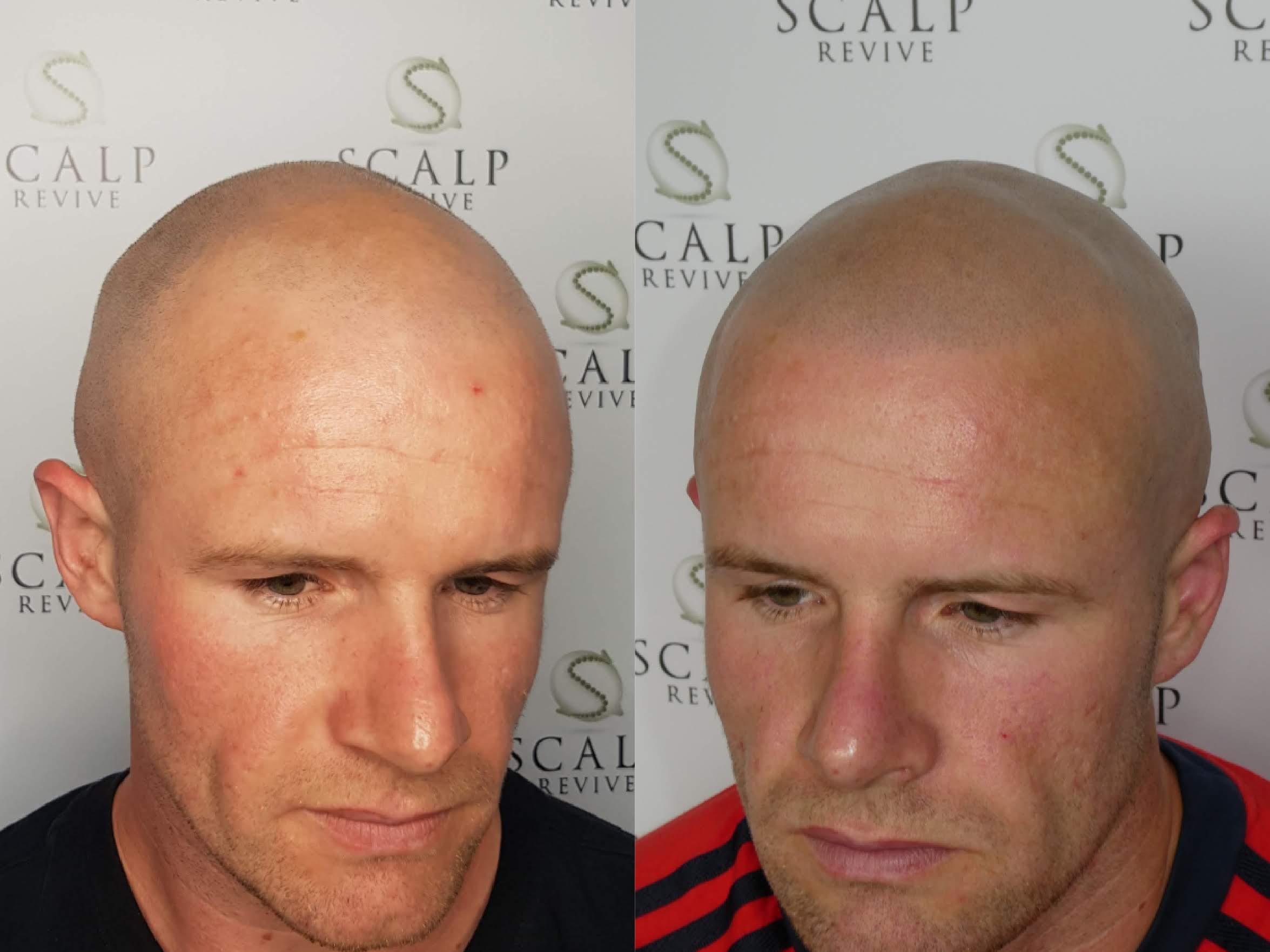
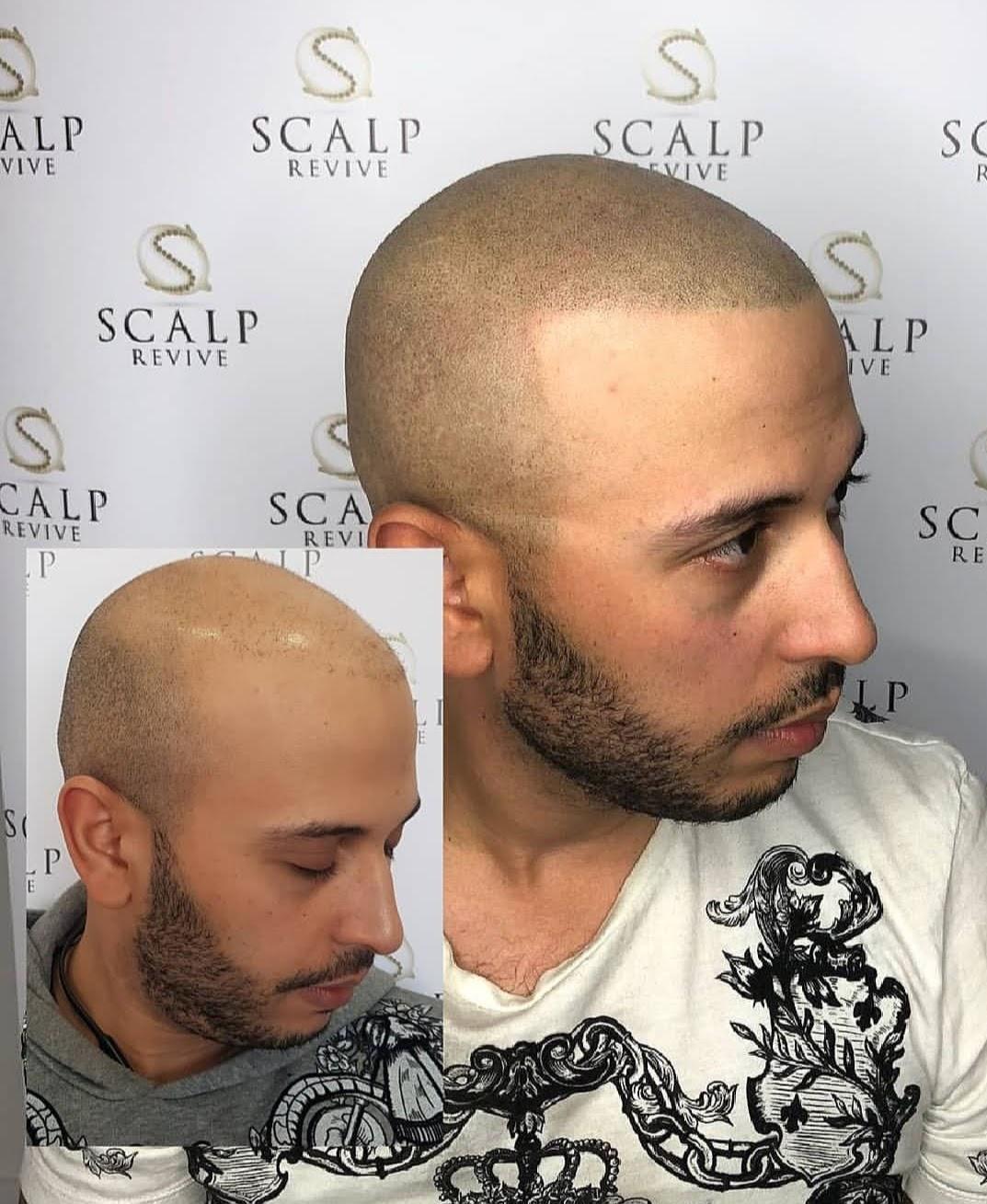
Scalp micropigmentation (SMP) is a non-surgical cosmetic tattooing treatment that deposits thousands of tiny pigment dots into the scalp's dermis to simulate the look of closely cropped hair follicles. It's used to treat male and female pattern hair loss, general thinning and receding hairlines, and to camouflage transplant scarring, and can suit most skin tones and hair types. At Scalp Revive in Leeds, permanent SMP is carried out by Shane Anderson, one of only ten dual SMP and tricopigmentation specialists in the world.
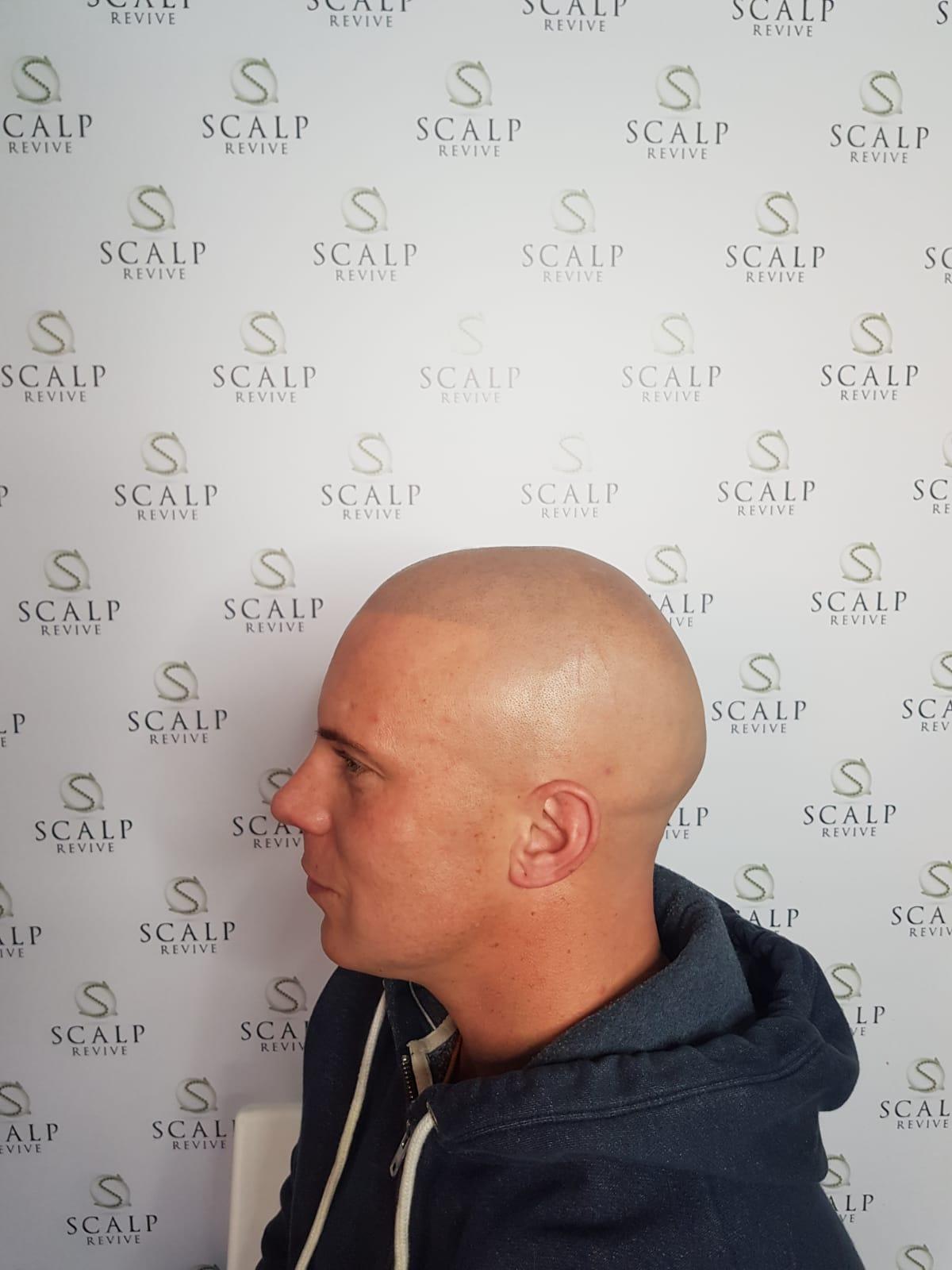
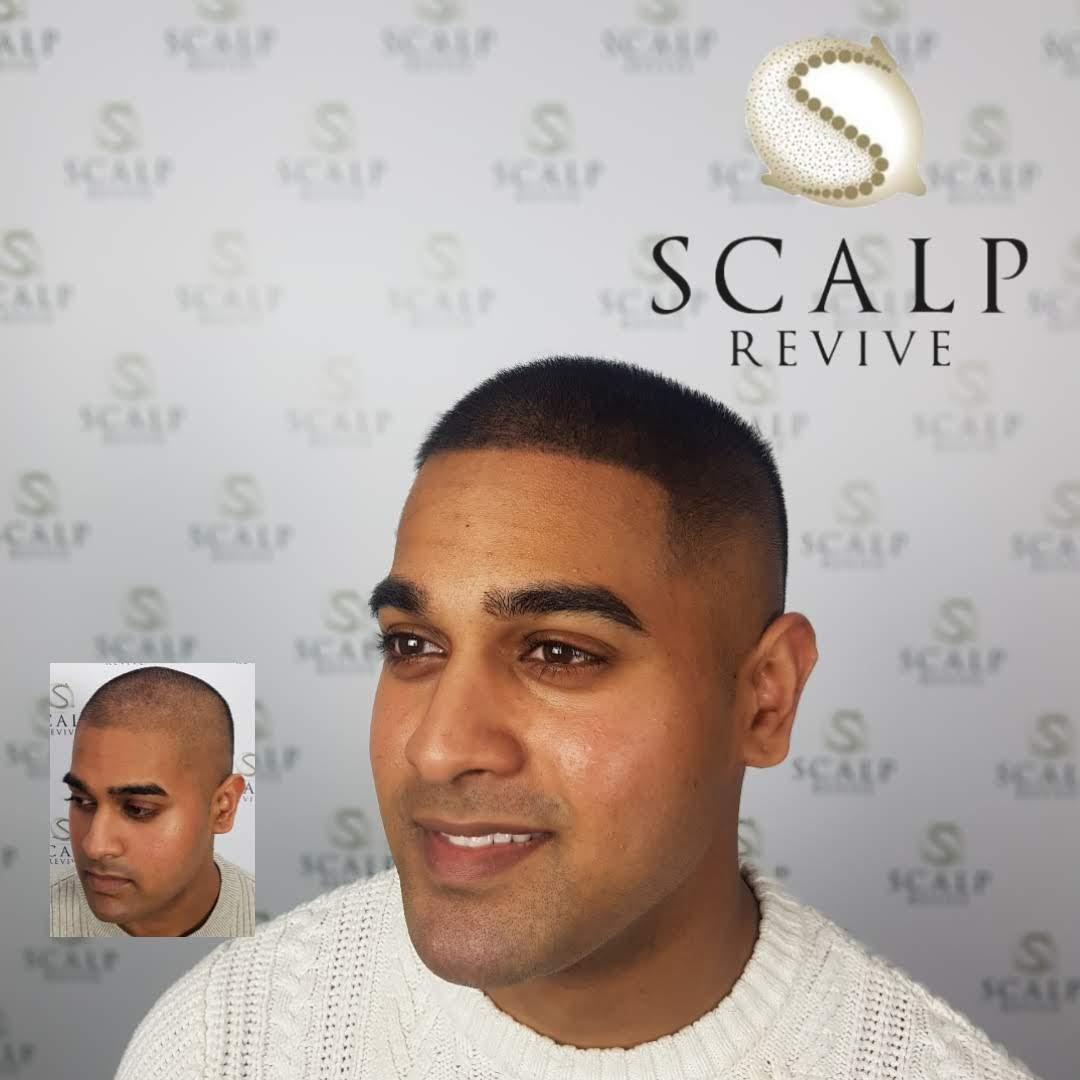
see our results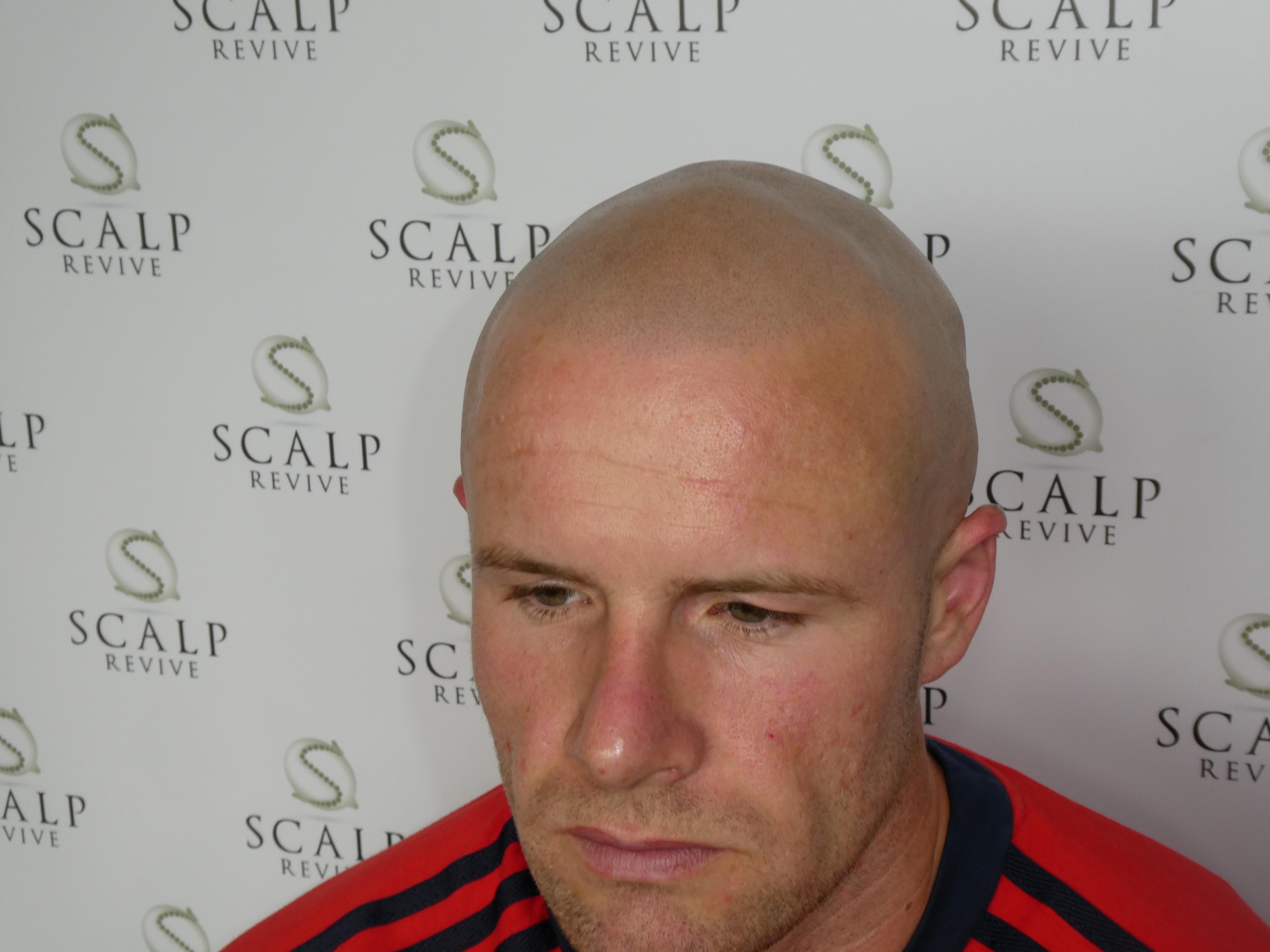
What to expect
Scalp Revive offer both permanent and semi-permanent scalp micropigmentation in the UK. The semi-permanent option is often referred to as tricopigmentation and the results last between 12-24 months, making it a great option for those clients who are hesitant to commit to the permanent option. You can also rest assured that tricopigmentation is recognised by the International Society of Hair Restoration Surgery as a solution for hair loss. The permanent option lasts much longer, requiring a top after 3-5 years.
Both the permanent and semi-permanent process of scalp micro-pigmentation involves implanting thousands of microdots into the dermis of the skin. This process simulates the hair follicles and gives the appearance of hair in areas where you have experienced hair loss.
Results can vary in terms of the inks, techniques and equipment used. Based in Leeds, our clinic makes use of the latest technology to offer the most authentic hairline possible. If you have been looking for various solutions to hair loss, you may be weighing up the cost of micropigmentation against other more expensive solutions. It may also be the case that you don’t meet the requirements for a hair transplant and are looking for an alternative solution.
You will be pleased to know that both types of scalp micro-pigmentation treatments are open to virtually everyone. You can even still receive such treatment if you have already had a hair transplant and desire a denser look to your hair. Additionally, we can camouflage scars through our micropigmentation hair treatments, and this includes FUE and FUT hair transplant scars, as well as other imperfections on the head. Click here to request a free consultation.
How much treatment you need depends on the area being covered, how much natural hair remains, and the density and hairline shape you're aiming for, which is why every plan at our Leeds clinic starts with a free, no-obligation consultation. Because permanent SMP is designed to hold its result for years rather than fade away, most clients treat the consultation as the important first step: a chance to see example results, ask questions, and agree the exact look before any pigment is applied.
Aftercare
What to expect while it heals
Day 1
Keep it untouched
Don't wash, touch, or apply anything to the scalp. Some redness and warmth is normal: the pigment will look darker than the final result.
Days 1 to 4
Stay completely dry
No washing, no sweating, no gym. Avoid anything that makes the scalp hot or damp.
Days 4 to 7
Start gentle rinsing
Rinse with lukewarm water and fingertips only: no cloths, no pressure. Introduce a fragrance-free cleanser from around day 7.
Days 5 to 12
Expect flaking
Light scabbing and flaking is normal as the surface layer sheds. Don't pick at it: the real pigment sits deeper and isn't affected.
Days 10 to 14
Resume normal routine
Light exercise, normal washing, and shaving with a foil shaver can all resume. Razor blades are fine from around day 14.
Weeks 2 to 4
Full healing
Colour settles and evens out over the following weeks. Avoid direct sun, pools and saunas until around day 28 to 30.
Common questions
Scalp micropigmentation is a treatment that implants thousands of tiny pigment deposits into the dermis, the layer beneath the surface of the skin, to recreate the appearance of hair follicles. When it is done well the dots blend together to look like the natural shadow of closely cropped hair, filling in areas where hair has thinned or receded, or replacing the appearance of a full head of hair on a shaved scalp. Scalp Revive offers this as a permanent treatment, meaning the pigment is designed to stay in place for years rather than fade away over a matter of months. The result depends heavily on the ink, technique and equipment used, which is why we invest in current technology and technique to keep the hairline looking as authentic as possible for each client who comes through the clinic in Leeds.
The two treatments use the same principle, depositing pigment into the skin to mimic hair follicles, but they are built to behave very differently over time. Permanent SMP uses inks designed to remain in the dermis for the long term, typically lasting three to five years before a top up is needed to keep the density looking fresh. Tricopigmentation uses a different type of ink that the body gradually flushes out, so the result fades and is usually gone within twelve to twenty four months. That makes tricopigmentation a useful way to try the look and confirm you like the results before committing to a permanent treatment, while permanent SMP suits clients who already know they want a long term, low maintenance solution and would rather not repeat a full treatment every year or two.
- Permanent SMP: designed to last 3 to 5 years before a top up
- Tricopigmentation: uses fading ink, typically gone within 12 to 24 months, with an annual top up if you continue
Scalp micropigmentation is open to virtually everyone dealing with hair loss or thinning, not just one type of client. It works well for men with male pattern baldness who want the look of a closely shaved head, for anyone who does not meet the medical requirements for a hair transplant and wants a non surgical alternative, and for people who have already had a hair transplant but want a denser, fuller appearance around the transplanted area. It is also a genuine option if you are simply weighing it up against other, more expensive routes to dealing with hair loss and want something reliable without ongoing surgery. Because the treatment is tailored to the individual scalp, hairline shape and hair colour, a proper consultation is the best way to establish whether the permanent option is right for your particular situation and goals.
- You have male or female pattern hair loss and want a fuller look
- You don't meet the requirements for a hair transplant
- You've already had a transplant and want extra density
- You're comparing options against more expensive treatments
The process itself is about implanting thousands of microdots into the dermis using specialist equipment, building up layers of pigment so they blend into a natural looking pattern rather than sitting as a single flat tone. The technician works with your existing hairline, hair colour and scalp tone to design a pattern that looks proportionate to your head and suits the look you want, whether that is a defined hairline on a shaved head or added density across thinning patches. Because everyone's scalp, hair colour and goals are different, the exact approach is planned around you at a free consultation before any pigment is applied, rather than applied as a fixed template. That consultation is also where questions about suitability and what to expect are answered directly by the team, so you go into treatment knowing what the process involves for your case.
Permanent scalp micropigmentation is designed to last considerably longer than the semi-permanent tricopigmentation option, typically holding its appearance for three to five years before a top up treatment is needed to refresh the density and colour. How quickly it fades in your case depends on individual factors such as skin type, lifestyle and sun exposure, which is why the three to five year window is a general guide rather than a fixed guarantee for every client. When a top up is eventually needed, it is a much smaller piece of work than the original treatment, simply reinforcing areas where the pigment has softened rather than starting again from scratch. This longevity is one of the main reasons clients choose the permanent route over tricopigmentation once they are confident scalp micropigmentation is the right solution for them.
Yes. Scalp micropigmentation is a well established way to camouflage both FUE and FUT hair transplant scars, along with other imperfections on the scalp, by depositing pigment over and around the scarred area so it blends in with the surrounding hair pattern rather than standing out as a lighter or bare patch. This makes it a useful option for people who have already had a transplant but are left with visible donor or recipient site scarring, or for anyone with scalp marks unrelated to a transplant who wants them disguised rather than treated as a permanent visible feature. It can also be combined with the density benefits of the treatment, so clients who have had a transplant and want a fuller looking result around the transplanted hair can address both the scarring and the overall density in the same course of treatment.
- FUE scars
- FUT scars
- other scalp imperfections and marks
Yes, scalp micropigmentation is designed to be adapted to the individual rather than applied as a single standard look, which means hair colour, hair texture and skin tone are all factored into the pattern and ink choice for each client. Shane, our lead artist, has a background in barbering and has worked with clients from all ethnicities, which feeds directly into how the treatment is planned so the finished result sits naturally against your own hairline and skin. Results can vary depending on the inks, techniques and equipment used, which is one reason we keep our approach up to date rather than relying on one fixed method for every client. If you are unsure whether your specific hair type or skin tone affects how the treatment would look on you, that is exactly the kind of question a free consultation is there to answer before any commitment is made.
Shane is Scalp Revive's lead artist and is trained in both permanent scalp micropigmentation and tricopigmentation, the two related but distinct treatments the clinic offers. He is described as one of only ten dual specialists in the world trained across both disciplines, which means his approach to the permanent treatment is informed by understanding how the semi-permanent alternative behaves as well. Before specialising in micropigmentation, Shane's background was in barbering, working with clients from all ethnicities, which gave him a grounding in hairlines, hair growth patterns and how different hair types sit against the scalp before he moved into pigmentation work specifically. That combination of barbering experience and dual specialist training is a large part of why clients choose Scalp Revive in Leeds for a permanent treatment rather than a generic provider.
It can be, particularly if you have looked into a hair transplant and found you do not meet the requirements for one, or if you are weighing up the cost and recovery time of surgery against a non surgical option. Scalp micropigmentation does not transplant living hair follicles, it creates the visual appearance of density and a defined hairline using pigment, so it suits people who want to address the look of hair loss without undergoing a surgical procedure. It is also not an either or choice for everyone: clients who have already had a hair transplant sometimes choose scalp micropigmentation afterwards specifically to add extra density around the transplanted area, so the two approaches can complement each other rather than compete. Which option makes more sense for you is worth talking through at a free consultation.
The first step is a free, no obligation consultation, where the team looks at your hair loss pattern, discusses what you want to achieve and talks you through whether permanent scalp micropigmentation or tricopigmentation is the better starting point for you. You will be given an individual quote at that stage once your specific treatment plan has been discussed, rather than being quoted a generic price before anyone has actually looked at your scalp and goals. You can book that consultation through the contact form on this site or by messaging the clinic directly, and there is no pressure to commit to treatment simply for asking questions or finding out more. Because the finished result depends so much on your individual hairline, hair colour and skin tone, starting with a proper consultation is the best way to make sure it is the right choice before anything is carried out.
Message Shane
Get a free consultation today by simply filling in the form below! For a rapid response, call or whats app us. We aim to restore your confidence with our permanent and semi-permanent treatments.