2026-10-31
Getting ready for your scalp density session
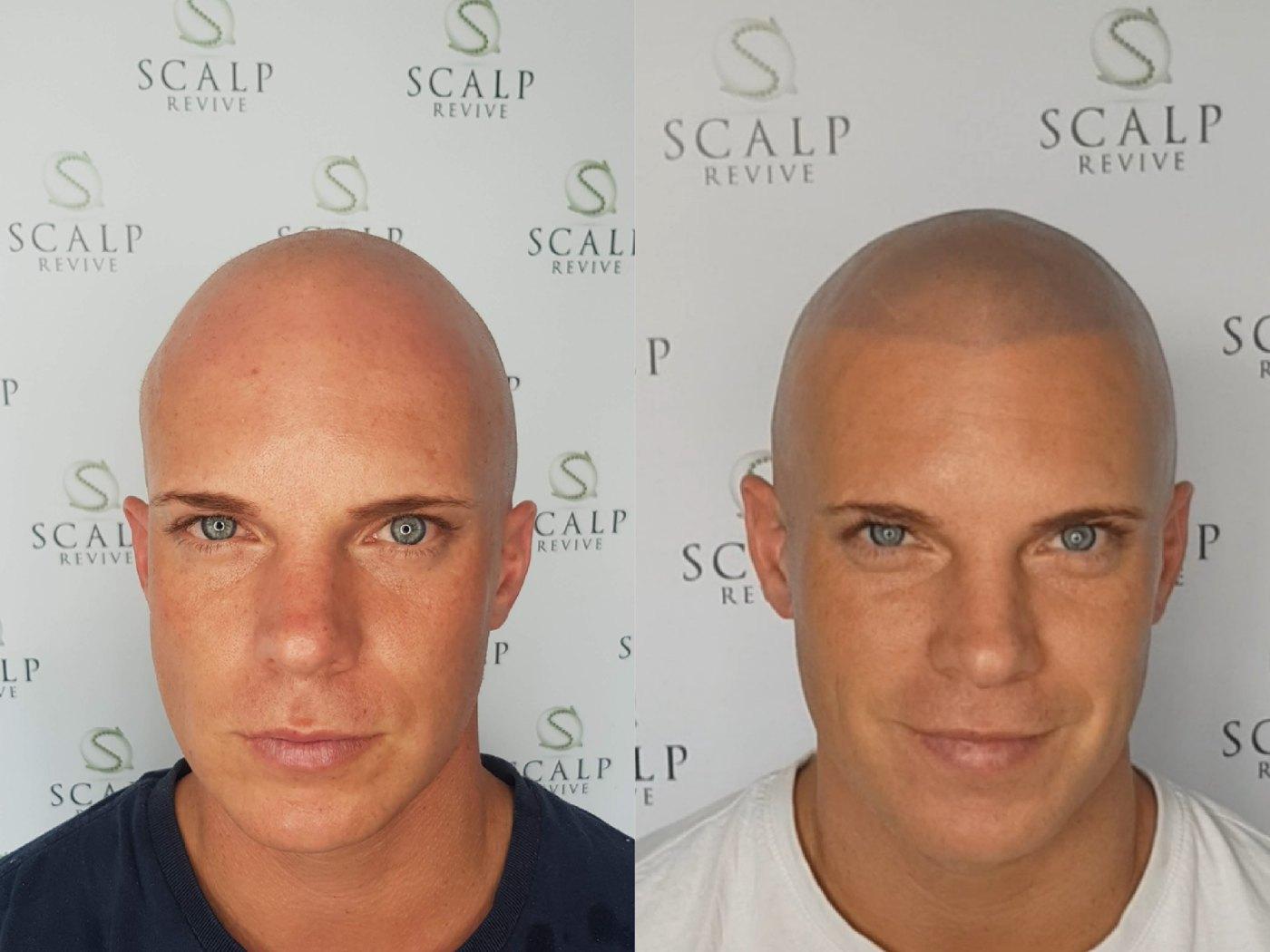
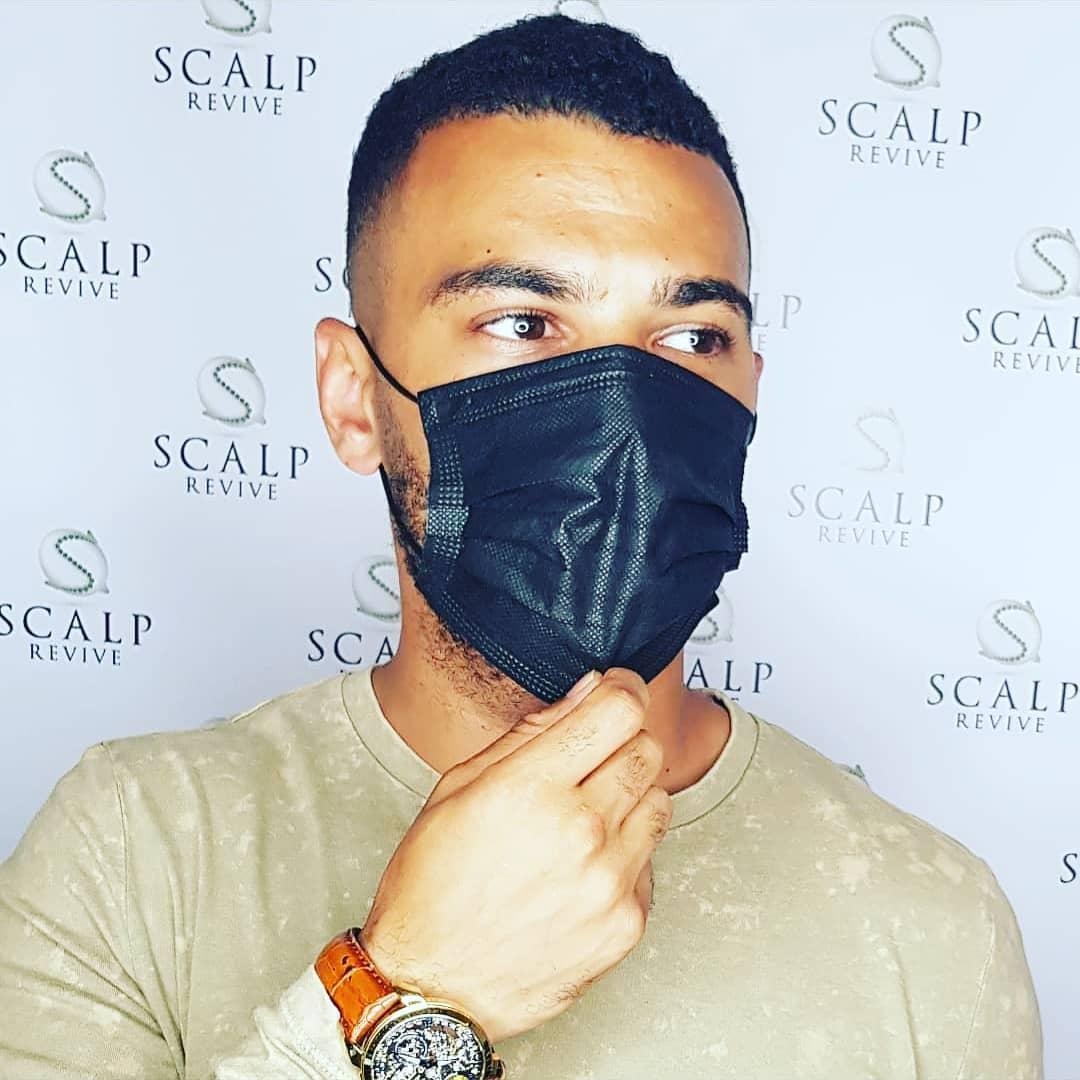
Before scalp micropigmentation, my main aim is to work on calm, clean, healthy skin. In the week before your appointment, stop topical scalp products unless your doctor says otherwise, wash your hair and scalp, keep your usual grooming routine, avoid alcohol for 24 hours, and arrive rested and hydrated.
What should I do in the week before SMP?
Before scalp micropigmentation, my main aim is to work on calm, clean, healthy skin. In the week before treatment, stop using topical hair products on the scalp, including medicated and non-medicated products, unless your doctor has specifically told you otherwise. This gives the skin a break and means there is less residue in the treatment area.
Wash your hair and scalp before you come in. I need to see the scalp as it normally appears, without styling products, oils or fibres affecting the assessment. Clean skin also makes it easier to mark the areas where density needs to be built between existing hairs.
Keep your normal grooming routine unless we have agreed something different. For clients retaining hair, Male Density SMP is planned around the hair that is still present. I will discuss whether your preferred look is best maintained with a short, fine stubble length or another style. You should not make a major haircut change immediately before the appointment without discussing it first.
Try to arrive rested and hydrated. Avoid alcohol for 24 hours before the session because it can thin the blood and may make treatment more difficult. Ask me whether you should avoid caffeine on the day. Do not stop prescribed blood-thinning medication without speaking to the clinician who prescribed it. If you take aspirin or another blood-thinning product, tell me during consultation so we can decide how to proceed safely.
What health information should I disclose?
Please tell me about allergies, medication, medical conditions and any previous reactions to tattoo or cosmetic pigments. Disclosing this information is part of responsible scalp micropigmentation treatment planning, not an awkward formality.
Active scalp acne, eczema or a psoriasis flare-up should be resolved before treatment. Clients with a history of keloid or spontaneous keloid scarring should speak to a dermatologist before booking, because tattooing can trigger abnormal scarring. SMP is a cosmetic camouflage treatment, so it does not diagnose or treat the cause of hair loss.
If your thinning is changing quickly, or you have not had the cause of your hair loss assessed, it is sensible to discuss that with your GP or a relevant healthcare professional first. For suspected female pattern hair loss, medical assessment and blood tests may be appropriate to exclude other conditions that can create a similar pattern. I can then assess whether the scalp is suitable for treatment.
I also advise checking the practitioner and studio before committing. Look for SMP-specific training, a body art practitioner licence, bloodborne pathogens certification, a clean studio and appropriate barrier protection. Ask to see healed examples of hairline and density work, not only freshly completed photographs. Hairline work deserves particular attention because its shape and softness have a major effect on whether the result looks natural.

What happens before pigment is applied?
Your appointment should not begin with a needle. It begins with a review of your goals, hairstyle, remaining hair, hair colour, skin and the amount of scalp showing through. I will explain what density treatment can and cannot do. SMP creates the visual impression of fuller hair by reducing the contrast between scalp and hair. It does not grow hair or alter the follicles.
We then mark the proposed treatment areas and agree the design. This includes discussing how your hairline or transition should look, where density should increase and how the result will blend with the hair you keep. I do not copy another person's hairline. Facial features are not perfectly symmetrical, and a natural design may include small, controlled differences rather than a rigid mirrored outline.
Pigment is selected to match your current hair and follicle colour. For density work, I begin cautiously rather than trying to create a solid, painted scalp in one pass. Existing hair should remain visible. Some scalp showing through is a normal and important part of a believable result.
Once we agree the plan, I apply numbing medicine where appropriate and explain the sensation before starting. If you would like more detail about comfort, I have also written about what SMP feels like and how discomfort is managed.
How should I prepare for the appointment itself?
Wear something comfortable and avoid arranging a busy day immediately afterwards. Sessions can take from one to several hours depending on the area, the amount of thinning and the design. I work carefully through the scalp rather than rushing to cover the largest possible area.
Bring a clear idea of how you normally wear your hair. Useful reference photographs can show whether you prefer a softer or more defined finish, but the final plan must suit your own facial structure and remaining hair. If your hairstyle changes regularly, mention that. A design that looks right with one parting or length may need a different transition with another.
Do not apply moisturiser, fibres, wax, spray or other styling products to the scalp on the day. If your scalp is sunburnt, irritated or unusually tender, contact me before attending rather than trying to cover the problem. Treating compromised skin can affect both comfort and the healed result.
What should I plan for after a density session?
Preparation also means making space for aftercare. Keep the treated scalp dry for the first four days, including avoiding shampoo, swimming and activities that cause heavy sweating. Use a shower cap when bathing. Avoid hot showers, steam rooms, saunas and hot environments during the early healing period.
Avoid direct sun on the scalp for the first several days, following the specific instructions I give you. After the initial restriction period, long-term broad-spectrum SPF helps protect the pigment. Do not shave, rub, pick or interfere with the area while it settles unless I have told you otherwise.
Colour can look stronger at first and then soften as the skin heals. Lightening during healing is not automatically a problem. The scalp continues settling over the following weeks, and further appointments are planned only after the earlier work has healed and can be assessed properly.
Aftercare guidance is general good-practice information rather than medical advice. If you notice fever, pus or drainage, severe pain, marked redness, unusual warmth or swelling, contact a healthcare provider. For any concern that differs from what we discussed, contact me promptly.
At Scalp Revive in Alwoodley, Leeds, I offer a free consultation so we can assess the pattern of thinning and plan the appointment around your hair and expectations. You can book a free consultation when you are ready.
Book a consultation if you would like to discuss your preparation and whether density SMP suits you.
Frequently asked questions
Can I use hair fibres before my density appointment?
I would avoid them on the day and preferably arrive with no fibres, wax, spray or styling products on the scalp. Product can obscure the areas where pigment needs to be placed and may make the scalp harder to assess. Wash your hair beforehand so I can work on clean skin.
Should I shave my head before density SMP?
Not necessarily. Male Density SMP is designed for men who prefer to keep their existing hair, so the plan is built around the hair that remains. More advanced loss may blend better with fine stubble or a shaved finish. I will discuss the most practical grooming length during consultation.
Can I take pain relief before an SMP appointment?
Ask me before taking any pain relief, particularly if it contains aspirin or another medicine that can affect bleeding. Do not stop prescribed medication without medical advice. Comfort varies between people, and I can explain the options available during consultation, including the use of numbing medicine where appropriate.
Can I have SMP if my scalp is tanned?
Tell me if you have recently been in strong sun or have sunburn, peeling or irritation. I may recommend waiting until the skin has settled. A recent tan can also alter the way your scalp and hair colour appear during pigment matching, so an accurate assessment is important.
What if I am nervous about the density design?
That is exactly why the design stage matters. I mark the treatment area, discuss the transition and agree the intended finish with you before pigment is applied. Bring reference photographs if helpful, but I will adapt the design to your facial structure, remaining hair, hairstyle and natural asymmetry.
How long should I avoid exercise after density SMP?
Avoid heavy exercise and activities that cause significant sweating during the early healing period, following the aftercare schedule I give you. Also avoid hot showers, saunas, steam rooms and swimming while the scalp settles. The exact advice can vary with the work completed, so use my instructions rather than a generic timetable.
Will density SMP make my hair look completely thick?
No. The purpose is to reduce visible contrast between the scalp and your existing hair, not to paint the scalp into a solid, opaque surface. Some scalp showing through is normal. During consultation I will explain where carefully placed pigment may create a fuller visual effect and where it would look unnatural.