2026-10-31
How can I keep my SMP looking fresh after shaving?
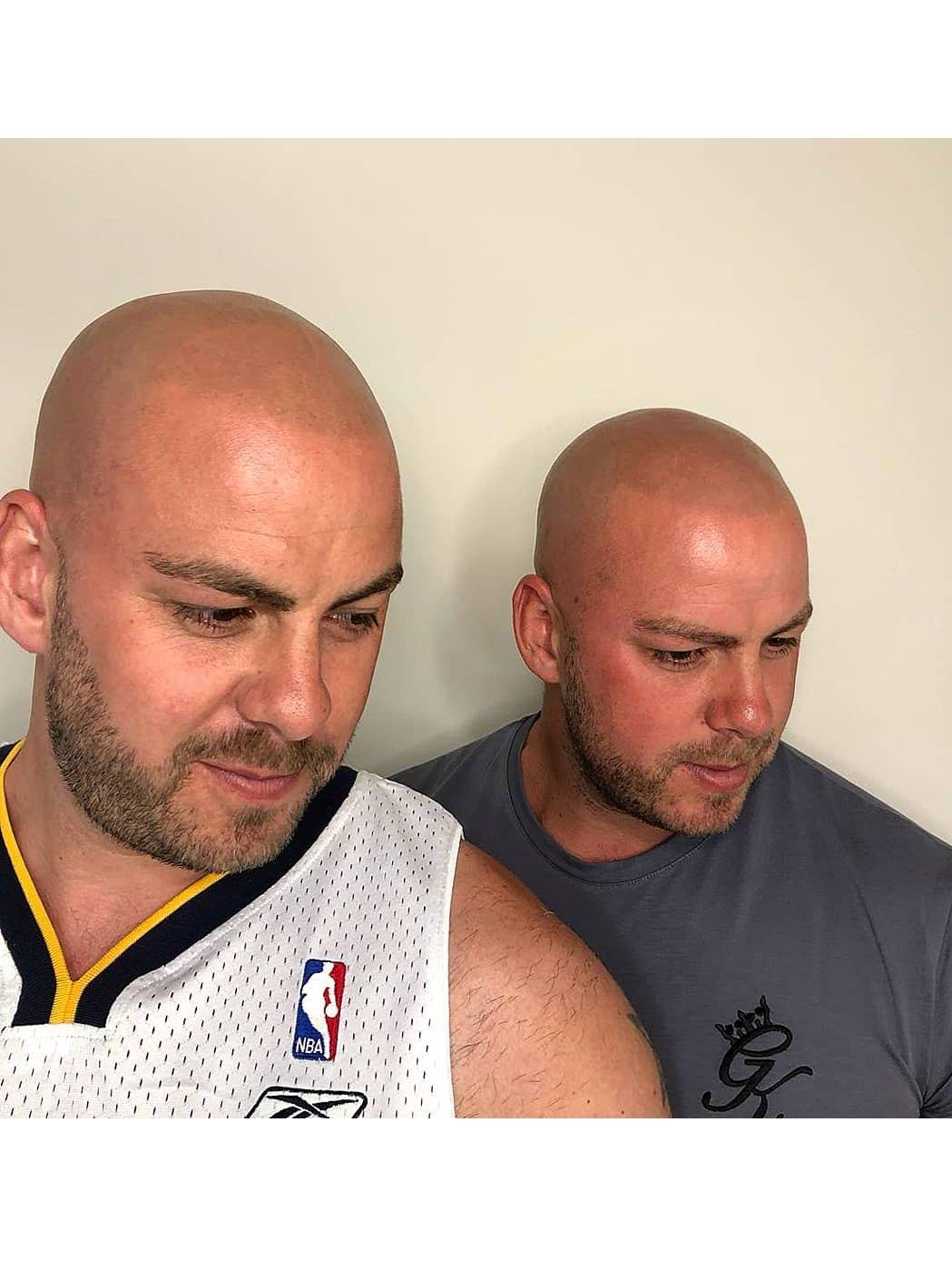
To keep a shaved SMP look fresh, keep natural hair at a consistent short length, protect the scalp from sun, moisturise once healed and follow aftercare carefully after every session. Your grooming routine should match the treatment design, while occasional touch-ups can restore softened pigment when the result has faded.
What makes a shaved SMP look stay fresh?
I start with the part clients can control most easily: consistency. A shaved SMP result looks most natural when the remaining hair and the pigment are kept at a similar visual length. If you let surrounding hair grow out, the natural follicles can cast a different shadow from the implanted dots, making the treatment look less even.
If you still have hair across the treated area, fine stubble maintained with clippers or a trimmer every few days can work well. With more advanced hair loss, a fully shaved finish using a razor, rotary shaver or foil shaver may blend more consistently.
Your preferred grooming style should be agreed before treatment, not treated as an afterthought. A soft hairline usually suits someone who wants the most discreet appearance. An edge-up style is fuller and straighter, giving a sharper, just-from-the-barber finish. The right choice depends on your features, skin tone, existing hair and how often you are prepared to groom.
At Scalp Revive in Alwoodley, Leeds, my background in barbering and hairline work helps me assess the result as part of your overall appearance. The hairline is especially important because it is the first area people tend to notice.
How should I shave after scalp micropigmentation?
Once your scalp has fully healed, you can choose the grooming method that gives you the most even finish. Some clients prefer clippers because they are quick and predictable. Others prefer a closer result from a foil shaver or razor. The important point is to avoid switching between noticeably different lengths if you want the pigment and natural hair to continue blending.
Do not shave or wet the treated scalp during the early healing period unless I have specifically advised that it is safe. For the first four days after each session, avoid washing, wetting, sweating and sun exposure on the scalp. This protects the settling pigment while the skin is recovering.
After that initial period, gentle washing can resume according to your aftercare instructions. Do not scrub, pick scabs or try to speed up flaking. Colour can look darker at first and then soften during healing, so an early change in appearance is not necessarily a problem.
Full healing takes time. The colour and definition continue to settle over the following weeks, and I generally advise avoiding swimming, saunas and steam rooms for 28 days after the final treatment. Heavy exercise should also be avoided for the period I give you, as sweating and heat can interfere with early healing.

How can I protect shaved SMP from fading?
Sun exposure can gradually soften cosmetic pigment. Once the scalp is healed, use broad-spectrum SPF 30 to 50 whenever it is exposed. This is particularly relevant with a shaved head because there is little or no hair providing shade.
Moisturising also helps the scalp look more even and comfortable. Start moisturising from day four if that matches your aftercare instructions, then continue once the skin has healed. Dry or visibly flaky skin can make a shaved finish look patchy, even when the pigment itself is sitting well.
Try to keep products simple and avoid experimenting with strong exfoliants or medicated products on the treated area without discussing them first. Before an appointment, I also ask clients to stop topical hair products, including medicated and non-medicated products, during the week beforehand. I also ask clients to avoid alcohol the day before and after treatment, as it thins the blood.
These habits do not make SMP permanent in appearance. Pigment gradually fades as skin renews, immune cells process pigment and ultraviolet exposure takes its toll. The purpose of good care is to help the result soften gradually rather than lose definition unnecessarily quickly.
When will I need an SMP refresh?
There is no universal calendar date for a refresh. Timing varies from client to client and is assessed at consultation, but the timing depends on skin type, sun exposure, grooming habits, lifestyle and how much definition you still want. A refresh is usually about restoring softened colour and clarity, not starting the entire process again.
I assess the healed result before recommending more pigment. If the colour has simply become lighter, a careful top-up may be appropriate. If pigment has spread, changed in tone or the original design no longer suits your hair loss pattern, the conversation needs to be more detailed. Adding more pigment is not always the answer.
Your hair loss may also change over time. That does not automatically mean your treatment has failed, but it may affect how the existing design blends with your natural hair. I explain this in more detail in my guide to what happens to SMP when hair loss changes.
For a fuller explanation of fading and longevity, you can also read my guide to how long a scalp micropigmentation result lasts.
What should I check before choosing a practitioner?
Maintenance starts before the first dot is placed. I recommend reviewing healed examples, not only fresh photographs. Ask to see hairline work on clients with a similar skin tone, hair colour and level of hair loss. Fresh treatment can look stronger than the settled result, so healed work gives you more useful information.
Your practitioner should discuss your expectations, lifestyle and grooming routine in consultation. Allergies and relevant skin conditions should be disclosed. Active eczema, psoriasis or scalp acne may need to settle first, and anyone prone to keloid scarring should seek appropriate professional advice before considering tattooing.
Also check that the practitioner has SMP-specific training, a body art practitioner licence and bloodborne pathogens certification. You should be able to see a clean studio, appropriate barrier protection and packaged needles opened in front of you. These checks reduce avoidable risks such as infection, allergic reaction and an unnatural result.
At Scalp Revive, I offer a free consultation so we can discuss your preferred finish, hairline, grooming routine and realistic maintenance before you decide whether SMP is suitable. You can read more about my scalp micropigmentation treatment before getting in touch.
If you would like to understand how your scalp could be maintained after treatment, you are welcome to book a free consultation.
Frequently asked questions
Can I use a razor on a shaved SMP scalp?
Once the scalp has fully healed, a razor can be used if it gives you the finish you prefer. Some clients choose a foil or rotary shaver instead. During the early healing period, avoid shaving until your practitioner confirms it is appropriate, because friction can disturb settling pigment and irritate the skin.
Will shampoo make shaved SMP fade?
Normal shampoo does not wash SMP out because the pigment is placed into the skin. However, the result gradually softens over time through natural skin renewal, sun exposure and other lifestyle factors. Use gentle washing during healing and avoid scrubbing the scalp or applying strong products without discussing them with your practitioner.
Can I go swimming after a shaved SMP treatment?
Swimming should be avoided during the healing period. In particular, I advise avoiding swimming pools for 28 days after the final treatment, alongside saunas and steam rooms. Your practitioner may give more specific instructions based on your skin and treatment plan, so follow those instructions if they differ.
What if my scalp becomes dry after SMP?
Once the scalp has reached the stage your practitioner has advised, regular moisturising can help it look more even. Dryness and flaking can make pigment appear less uniform. Do not apply products too early or pick at the skin. If dryness is persistent, uncomfortable or accompanied by unusual redness, ask your practitioner for guidance.
Can I exercise after every SMP session?
Avoid heavy exercise and activities that cause sweating during the early healing period, as your practitioner advises. Heat, sweat and friction can affect settling pigment and irritate the treated scalp. After the final treatment, I generally advise avoiding heavy exercise for five days, but your individual instructions should take priority.
What signs after SMP should prompt me to seek help?
Contact your practitioner if you have a healing concern that is more severe or prolonged than discussed at consultation. Contact a healthcare provider if you notice fever, pus or drainage, severe pain, severe redness or significant swelling, as these can indicate infection rather than normal healing.