2026-10-29
How many appointments will I need for SMP?
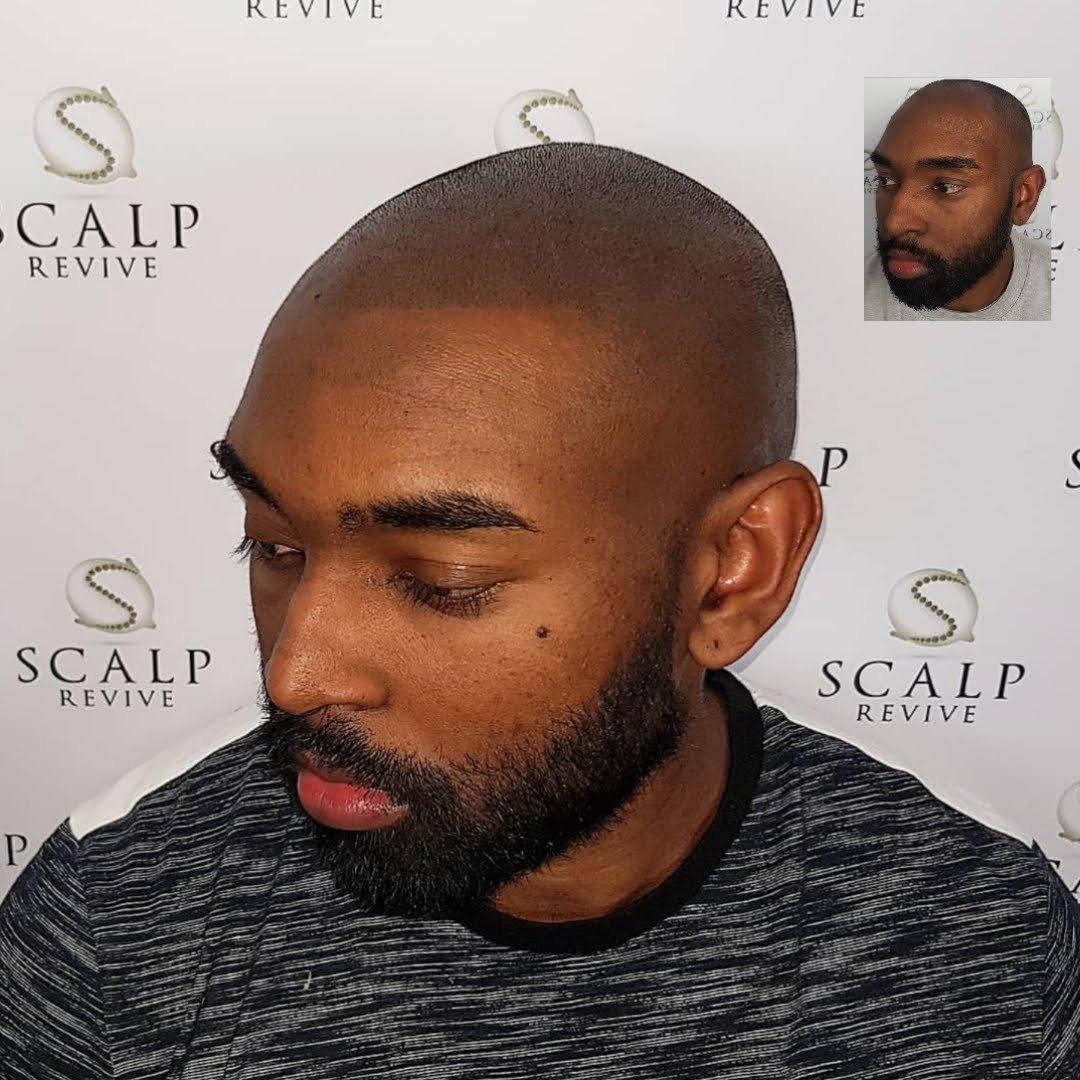
Most people need two to three SMP sessions, although the exact number depends on the area being treated, your level of hair loss, whether you are camouflaging scars and the finish you want. Each appointment may take one to five hours, with healing time between sessions so the result can settle safely.
Why do most people need more than one SMP session?
When people ask me how many scalp micropigmentation sessions they will need, I explain that SMP is built gradually. I do not try to create the finished density in one appointment. Starting more lightly gives me the opportunity to see how your scalp responds, assess how the pigment settles and then add detail without overloading the skin.
In a typical course, the first session establishes the foundation. I match the pigment to your current hair colour and create the initial pattern of fine follicle impressions. Follow-up sessions can then increase density, refine the hairline and improve the blend between treated and untreated areas.
For many clients, two to three sessions is a useful guide to how long scalp micropigmentation takes. It is not a promise of a fixed SMP number of sessions, because the right plan depends on your scalp and your goals. A smaller scar or limited area may need less work than extensive hair loss across the scalp.
The treatment is a visual camouflage procedure. It does not grow hair, alter your natural growth or repair the cause of hair loss. Instead, carefully placed pigment reduces the contrast between your scalp and remaining hair, creating the appearance of fuller coverage or a closely shaved head.
What changes the number of SMP sessions?
The size of the area is one of the clearest factors. A receding hairline, a small scar or a localised patch can be planned differently from full scalp coverage. Existing hair also matters. SMP can be placed between longer, thinning hair to reduce scalp show-through, or it can be designed for a fine stubble or fully shaved finish.
The type of hair loss affects the plan too. Male pattern baldness, diffuse thinning, alopecia and scalp scarring do not present in exactly the same way. Scar tissue can accept pigment differently from unaffected skin, so scar camouflage may need a particularly careful, staged approach. If you have an active scalp condition, such as eczema, psoriasis or acne, treatment may need to wait until the area is settled.
Your preferred hairline and density are also important. I discuss whether a softer hairline or a sharper edge-up suits your features and lifestyle. A natural result should allow some visible scalp to show through. Making the scalp look like a solid painted surface is not the aim.
Male Density SMP is designed for men who are thinning but prefer not to shave. That work is planned around the hair you still have, so the number of appointments can differ from a shaved treatment. I also offer treatment for scars, alopecia, women and tricopigmentation, each of which requires an individual assessment.

How long does each appointment take?
One SMP appointment can take around one to five hours. The time depends on the treatment area, the amount of detail required and whether we are building a new hairline, blending through existing hair or camouflaging scarring. A larger area does not automatically mean a better result if the work is rushed.
Before applying pigment, I review the design with you, mark the treatment area, agree the hairline and check that the colour is appropriate for your current hair and follicle tone. We will talk through comfort during your consultation. I work carefully because hairline work is particularly visible. It is one of the most important areas to assess when you review an SMP practitioner’s portfolio.
Between appointments, the skin needs time to settle. The gap between sessions varies and is agreed with you at consultation, so the skin has time to settle. Healing can temporarily make the colour appear darker, then lighter or softer. We need to assess the settled result rather than make decisions based on the first day.
If you are comparing options, my guide to scalp micropigmentation treatment explains how the treatment is used for different patterns of hair loss and different scalp finishes.
How should I prepare for each session?
Arrive with clean hair and a clean scalp. I will explain any personal preparation during your consultation, including whether you need to stop particular topical products beforehand. It is sensible to disclose allergies, medications, scalp conditions, previous procedures and any history of keloid scarring before we agree a plan.
Before treatment, I check the design, confirm the treatment areas and make sure your expectations are realistic. For a fully bald client, the hairline should relate to facial structure and age rather than being drawn as an unnaturally low, perfectly straight line. For someone with existing hair, the design needs to blend with the hair that remains.
Choosing an experienced, properly trained provider also matters. Before booking, ask about SMP-specific training, body art licensing, bloodborne pathogens certification, hygiene procedures and healed examples of their work. I recommend looking at healed results, not only fresh treatment photographs, because the settled appearance is what you will live with.
A small patch test may be considered where appropriate, particularly if you have disclosed an allergy history. No procedure is risk-free, so a thorough consultation is part of responsible planning rather than an optional extra.
What happens after the final appointment?
After each session, keep the scalp dry and avoid washing, wetting or excessive sweating for the period I give you, commonly the first four days. Avoid heavy exercise, hot showers, steam rooms and direct sun while the skin settles. Do not pick at any flaking or scabbing. Colour lightening during healing is normal and does not mean the treatment has failed.
After the final SMP treatment, avoid swimming, saunas and steam rooms until I confirm the area has healed. Once the area has settled, normal grooming can resume, and long-term sun protection helps reduce premature fading. A moisturised scalp and regular SPF are sensible parts of maintaining the appearance.
SMP is intended to be lasting, but it gradually softens and fades rather than remaining unchanged forever. Sun exposure, skin ageing, skin type and the nature of the hair loss all influence longevity. Some clients return for a refresh after several years. My article on how long an SMP result lasts covers maintenance in more detail.
If you notice increasing warmth, severe redness, pus, drainage, fever or severe pain, contact a healthcare provider. For any healing concern that differs from what we discussed, contact me promptly so it can be assessed appropriately.
How will I find out my own number of sessions?
The honest answer comes from looking at your scalp in person. During a free consultation at Scalp Revive in Alwoodley, Leeds, I assess the pattern and extent of hair loss, existing hair, scars, skin condition, preferred finish and the result you want to maintain. I then explain the likely stages, appointment length and healing intervals before you commit.
I am Shane Anderson, lead artist at Scalp Revive in Alwoodley. My background includes barbering and hairline work, alongside training in permanent SMP and tricopigmentation. My priority is to create a plan that looks believable as it settles, not to force every client into the same timetable.
Book a free consultation if you would like a personal assessment without pressure.
Frequently asked questions
Can SMP be completed in one session?
Sometimes a small, straightforward area may require less treatment than a full scalp, but one appointment is not suitable for everyone. SMP is commonly layered over more than one session so pigment density can be increased gradually and the healed result can be assessed before further work is carried out.
How far apart should SMP sessions be?
Sessions are spaced to allow the scalp to heal and the colour to settle. The exact interval can change according to the treatment area, your skin’s response and the amount of work completed. Your practitioner should confirm the timing before arranging the next appointment.
Will I need more sessions for a scar?
Not necessarily, but scar tissue can behave differently from unaffected scalp. A small scar may need a limited plan, while several scars or a scar surrounded by thinning may require blending work beyond the scar itself. I assess the scar’s colour, texture and position before estimating appointments.
Does tricopigmentation need the same number of sessions as permanent SMP?
Not always. Tricopigmentation is designed as a more temporary option and may be planned differently from permanent SMP. The number of initial appointments and later refreshes depends on the pigment system, the area treated and the finish you want. I discuss both options during consultation.
Can I keep longer hair during SMP treatment?
That depends on the treatment area and your remaining hair. Male Density SMP is specifically planned for men who prefer not to shave, while more advanced hair loss may blend best with fine stubble or a fully shaved finish. I will discuss grooming requirements before treatment begins.
Is the final result visible immediately after the last session?
You can see an immediate impression after treatment, but it is not the final settled appearance. The scalp may look darker at first, followed by lightening or softening as it heals. The result should be judged after the appropriate healing period, not on the day of application.
What if I change my mind about my hairline?
Hairline design should be discussed carefully before pigment is applied, taking account of facial structure, age and your preferred finish. Changes later may be possible but are more complicated once pigment is in the skin. This is why reviewing healed hairline work and having a detailed consultation are important.