2026-10-07
How to avoid disappointment with scalp micropigmentation
Yes, some people regret scalp micropigmentation, usually because the hairline, pigment colour, density or expectations were not properly managed. I reduce that risk by planning around your face, hair loss pattern, skin and grooming habits, then reviewing realistic healed examples before treatment begins.
What are the common reasons people regret SMP?
Scalp micropigmentation is a permanent cosmetic tattoo. Although the colour softens and fades over time, pigment remains in the skin, so decisions made before the first session matter. In my experience, regret most often relates to four areas.
- An unsuitable hairline: it may be too low, straight, dark or sharply defined for the person’s face and age.
- The wrong colour: pigment that is too dark or too cool can look disconnected from the client’s natural hair.
- Too much density: a uniformly filled scalp can appear painted rather than like natural follicle shadow.
- Unclear expectations: SMP creates a visual impression of follicles or density. It does not grow hair or treat the cause of hair loss.
Some people also regret choosing a practitioner from fresh photographs alone. New pigment can look stronger before it settles, while healed work shows whether the dots remain controlled, soft and suitably spaced. When reading a scalp micropigmentation review, I suggest looking for comments about communication, consultation, healed results and aftercare, rather than relying only on a star rating.
How can I avoid an unnatural hairline?
The hairline is one of the first things people notice, particularly when the head is shaved or closely clipped. A poorly planned line can look artificial even when the rest of the treatment is carefully applied.
I assess your facial proportions, age, existing hairline and pattern of loss before discussing the design. For someone wanting an understated finish, a soft hairline with natural variation is often the better direction. Other clients prefer a fuller, straighter edge-up that resembles a freshly barbered finish. Neither should be copied from a template.
A natural hairline is not a solid ruler-straight border. It needs suitable spacing, variation and a transition into the denser areas behind it. During consultation, I mark the proposed treatment area and discuss it with you before pigment is applied. You should feel able to question the shape, height and softness of the design.

How do pigment colour and density affect the result?
The pigment should be selected to work with your current hair and desired grooming style. A colour that looks acceptable in a bottle may heal differently on the scalp, which is why I assess your hair colour, skin and existing follicles rather than choosing a shade in isolation.
Density also needs to be built carefully. A natural result usually allows some scalp to show through. The aim is to reduce the contrast between scalp and hair, not to create the appearance of a fully painted scalp. Starting too dark or too dense can make later correction harder, so I build density gradually.
SMP can be placed between existing hairs to reduce visible scalp and create the impression of greater density. That plan must match how you normally wear your hair. Some clients keep fine stubble, while others prefer a fully shaved look. If you retain hair, regular trimming helps the implanted dots blend with it. I discuss this before agreeing the treatment plan.
My scalp micropigmentation treatment page explains the treatment more fully, including the types of hair loss and scalp concerns it may camouflage.
What should I check before choosing an SMP practitioner?
Look for dedicated SMP training, relevant licensing and evidence of safe working practices. Before booking, you can ask about the practitioner's SMP-specific training, licensing and hygiene practices. The studio should be clean, and the practitioner should use gloves and appropriate barrier protection.
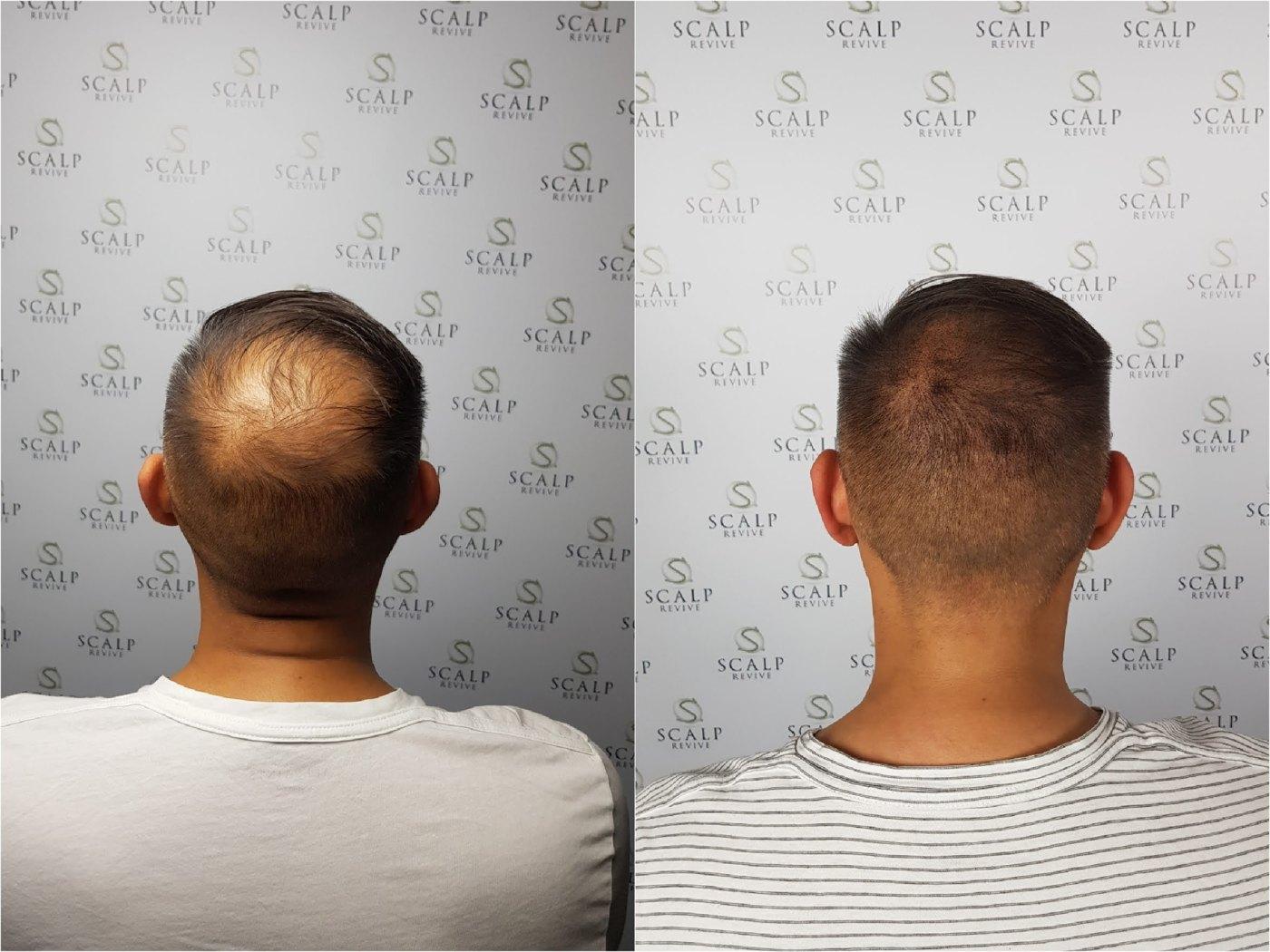
Ask to see healed results, not only photographs taken immediately after treatment. Try to find examples involving a similar hair loss pattern, hair colour, skin tone and treatment area. Pay particular attention to the hairline, dot definition, colour and density. A gallery of work is useful, but it should support a proper conversation rather than replace one. You can view the SMP results gallery as part of your research.
A thorough consultation should cover your medical history, allergies, scalp condition, lifestyle, grooming routine and expectations. Tell the practitioner about allergies and any history of keloid scarring. Active eczema, psoriasis or scalp inflammation may need to be addressed before treatment, and people prone to keloids should seek appropriate professional advice before considering tattooing.
For female pattern hair loss, it is important to understand the pattern and possible underlying causes before cosmetic camouflage. Similar-looking thinning can be associated with medical, metabolic or hormonal factors, so medical assessment and blood tests may be appropriate before proceeding. SMP does not diagnose or treat the cause.
What aftercare mistakes can lead to disappointment?
Aftercare protects the result while the scalp settles. Follow the individual instructions given by your practitioner, but general guidance includes keeping the treated scalp dry for the first few days, avoiding heavy exercise and sweating, and avoiding hot showers, steam rooms and saunas during the advised period. Sun exposure should also be avoided while the area is fresh.
Do not pick scabs or interfere with flaking. Lightening during healing can be normal, so the early appearance should not be judged as the final result. Once the scalp has settled, long-term sun protection helps reduce avoidable fading. Your practitioner may also advise when to resume gentle washing, shaving and moisturising.
Contact the practitioner if you have an unexpected healing concern. If you notice fever, pus or drainage, severe pain, severe redness or significant swelling, contact a healthcare provider promptly, as these can indicate infection. This is general aftercare information, not medical advice.
Can regret be prevented at consultation?
No practitioner can remove every possibility of disappointment, but a careful consultation makes an important difference. I use it to establish what SMP can realistically achieve, where it should be placed and how it needs to fit your future grooming routine.
Think about whether you are comfortable maintaining a shaved or closely clipped appearance, or whether density treatment between existing hairs better suits you. Also consider that pigment fades gradually and may require future maintenance. My article on how long an SMP result lasts covers the factors that affect longevity.
If you are weighing up the risk of regret or reading a scalp micropigmentation review, focus on healed work, honest expectation setting and the quality of the hairline discussion. At Scalp Revive in Alwoodley, Leeds, I offer a free consultation so we can assess whether the treatment is suitable for you before any decision is made.
You can book a free consultation when you are ready to discuss your options.
Frequently asked questions
Can scalp micropigmentation be removed if I regret it?
SMP can be removed with laser treatment, but removal is not always simple. The outcome depends on pigment colour, depth, density and the condition of the scalp. Incorrectly placed or blurred pigment may be more difficult to address, so choosing an experienced practitioner is important before treatment, not only if correction is later needed.
Do women have different regrets with scalp micropigmentation?
There is no sound basis for saying women regret SMP more often. Female hair loss is commonly diffuse, so the plan may focus on reducing scalp show-through between existing hairs rather than creating a shaved-head appearance. The cause and pattern of thinning should be understood before cosmetic camouflage is considered.
Can I have SMP if I still have some hair?
Yes. SMP can be applied between existing hairs to reduce visible scalp and create the appearance of greater density. The result needs to work with your normal grooming routine, including how often you trim or shave. Hair length, density and the pattern of thinning should be discussed during consultation.
Will SMP look like a traditional tattoo?
SMP is a form of cosmetic tattooing, but it is designed around very small, controlled impressions that imitate the appearance of follicles. It should not look like a solid block of ink. The final appearance depends on pigment choice, placement, spacing, skin and the practitioner’s understanding of scalp anatomy.
Can SMP make my hair grow back?
No. SMP does not stimulate hair growth, alter natural hair growth or repair the underlying cause of hair loss. It is a camouflage treatment that reduces the visible contrast between the scalp and hair. That can make thinning, bald areas, alopecia or scars appear less noticeable without changing the follicles themselves.
What should I ask when reading an SMP review?
Look for details about the consultation, hairline planning, healed appearance, communication and aftercare. A review cannot show whether the result would suit your scalp, hair colour or grooming preference, so compare it with healed examples from the practitioner. It is also reasonable to ask about SMP-specific training and hygiene procedures.
Can SMP be used for female pattern hair loss?
It may be suitable for some women, particularly where the aim is to reduce visible scalp between existing hairs. However, female pattern thinning can resemble other forms of hair loss. A proper assessment of the pattern and possible underlying causes should come first, because SMP conceals contrast rather than treating the condition.