2026-10-26
What does scalp micropigmentation do to your hair?
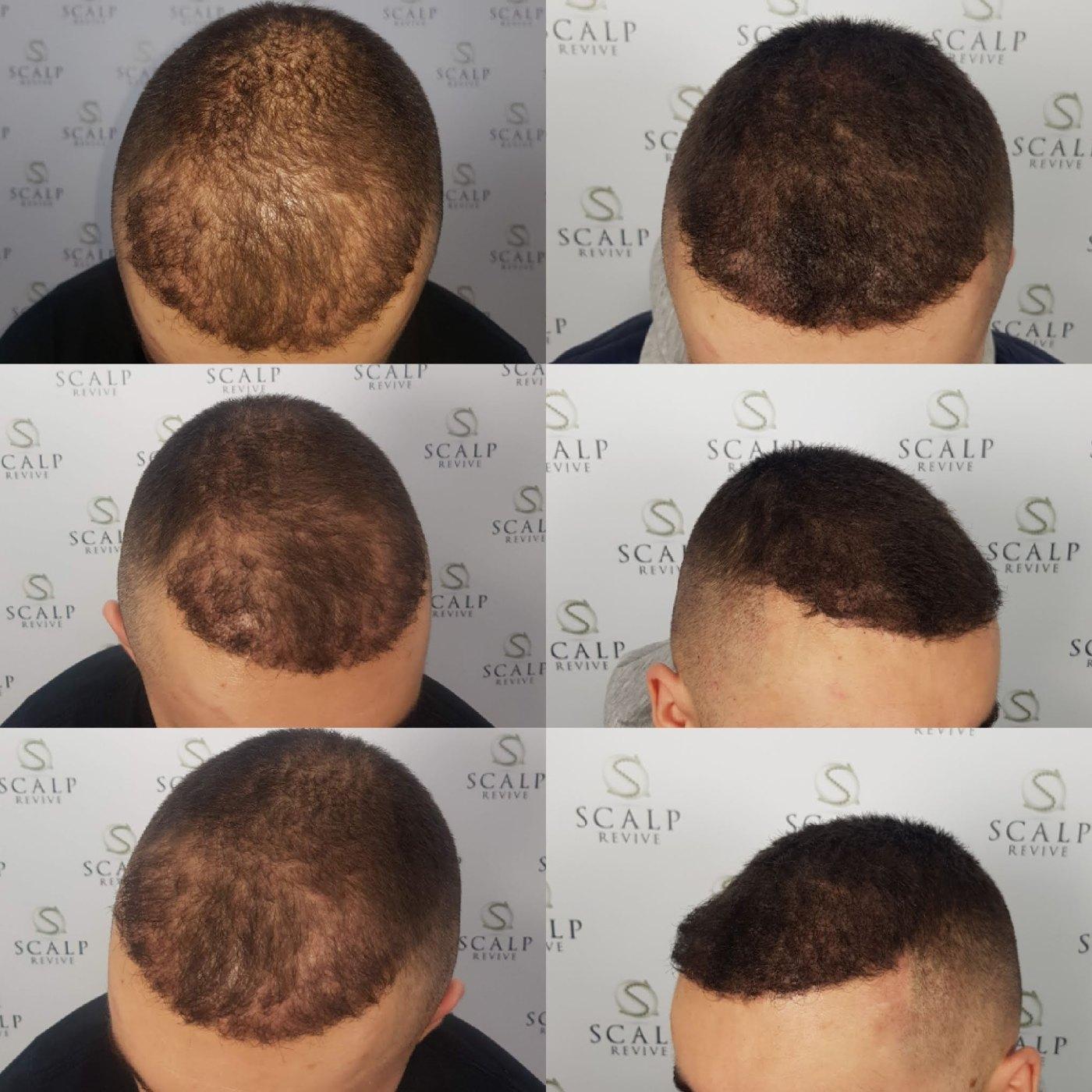
No. Scalp micropigmentation does not stop hair growing, stimulate regrowth or damage healthy hair follicles when it is applied correctly. It places tiny cosmetic pigment deposits in the scalp to reduce the contrast between scalp and hair. The result is visual camouflage, not a change to your hair biology.
What does scalp micropigmentation actually change?
Scalp micropigmentation, or SMP, is a cosmetic tattoo treatment. I use carefully placed dots of pigment to imitate the appearance of hair follicles, short stubble or greater density between existing hairs. It can make thinning, bald areas, alopecia and some scalp scars less noticeable, but it does not rebuild hair.
Your follicles continue their normal growth cycle after treatment. If a follicle is producing hair, that hair can keep growing through the treated area. If a follicle has been permanently lost, SMP cannot make it active again. This is why I describe the treatment as camouflage rather than a cure for hair loss.
The pigment is selected to work with your current hair colour and is placed in small, separate impressions rather than as a solid layer. A natural result should allow some scalp to show through. The aim is to reduce the visual contrast between skin and hair, not to paint the scalp into an unnaturally dense block.
Can SMP damage hair follicles?
Correctly applied SMP should not damage or inhibit existing hair follicles. It is placed in the upper layers of the scalp skin, using a controlled approach designed to keep the pigment in the appropriate layers. The practitioner’s depth, dot size, spacing, pigment choice and understanding of scalp anatomy all matter.
Problems are more likely when treatment is poorly planned or applied too deeply. Pigment can spread and blur, producing blotchy areas rather than follicle-like dots. An unsuitable colour or a heavy, low hairline can also make the result look unnatural. These are reasons to assess healed work, not only fresh photographs, before choosing a practitioner.
I recommend checking that the artist has SMP-specific training and any licensing and certification that applies where they work. You should also ask about hygiene, packaged needles, barrier protection and the practitioner’s experience with your pattern of hair loss. Allergies and relevant skin conditions should be discussed before treatment.
Will SMP affect the hair I still have?
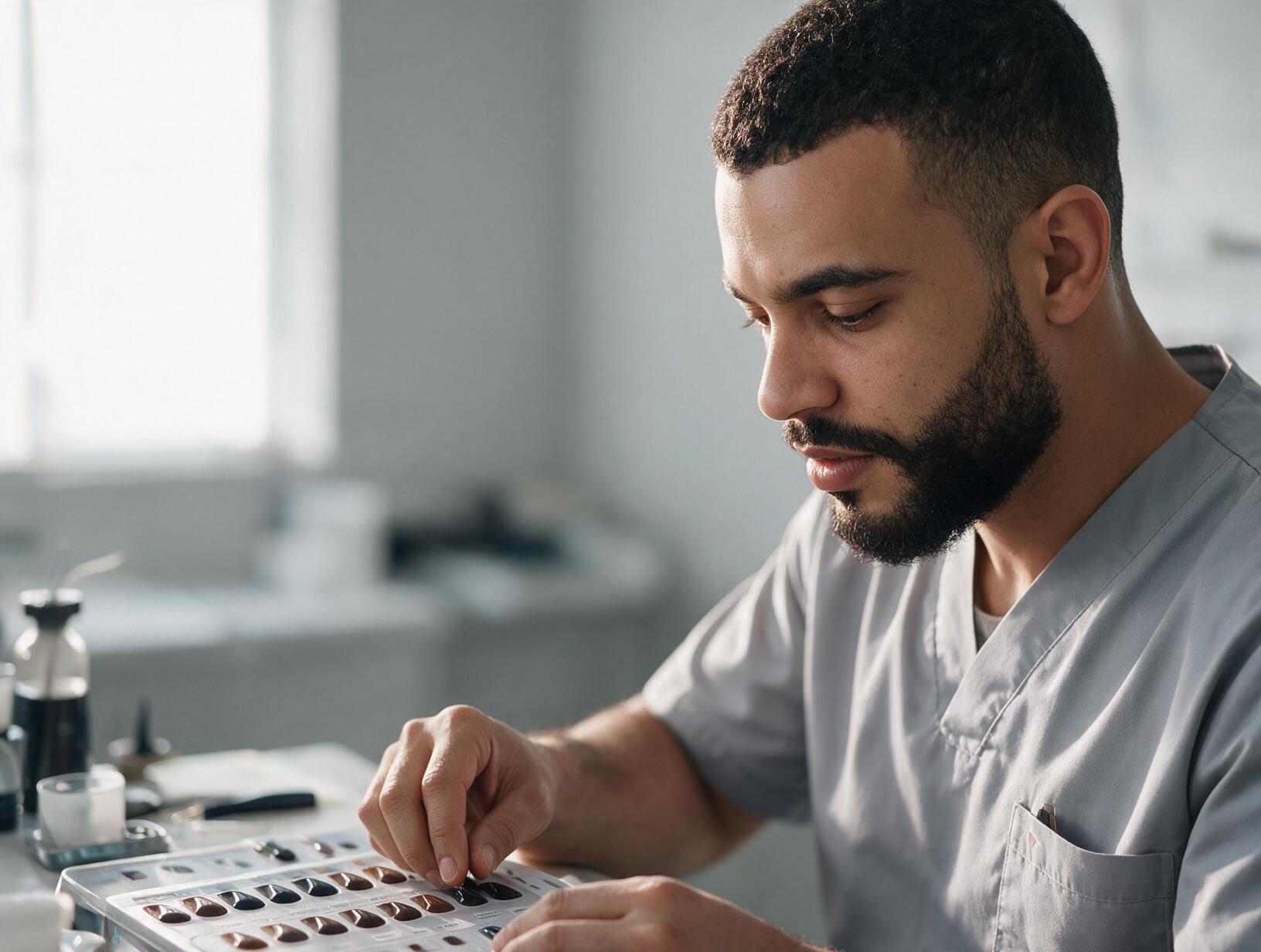
SMP can be placed between existing hairs, so you do not necessarily need complete baldness. This can reduce visible scalp show-through in areas that have thinned, including around a receding hairline or across the crown. The treatment does not make those hairs thicker, but the reduced contrast can create the appearance of improved density.
Your grooming routine needs to be part of the plan. If you have hair remaining around the treated area, fine stubble maintained with a trimmer can help the pigment blend with your natural hair. With more advanced hair loss, many people prefer a fully shaved look. I discuss that choice before designing the hairline and placing pigment.
Hair loss can continue after treatment, depending on its cause. SMP does not prevent male pattern hair loss, female pattern hair loss, alopecia or other conditions from progressing. If your hair changes significantly, the design may eventually need adapting. I explain this in more detail in what happens to SMP when hair loss changes.
Who may benefit from scalp micropigmentation for hair loss?
SMP may suit people with male or female pattern hair loss, thinning, alopecia, chemotherapy-related hair loss, transplant scarring or other scalp scars. It can be used for a shaved appearance or, in suitable cases, between existing hair to create a denser visual effect.
It is not suitable for everyone. Active scalp acne, eczema or psoriasis flare-ups may need to settle first. Anyone prone to keloid scarring should obtain appropriate professional advice before considering a cosmetic tattoo. If you are investigating female pattern hair loss, it is sensible to discuss medical assessment with your healthcare provider, because several conditions can cause hair loss with different treatment needs.
At Scalp Revive in Alwoodley, Leeds, I offer treatment for shaved styles, female hair loss, alopecia, scars, tricopigmentation and male density. My background in barbering and hairline work helps me consider how the result will look with your preferred haircut, rather than treating the scalp in isolation.
What should you expect from the treatment and healing?
Before beginning, I assess your scalp, hair loss pattern, skin, lifestyle and expectations. We agree the hairline and discuss whether a soft, graduated edge or a sharper style is appropriate. For someone who is fully bald, the hairline should relate to facial structure and age. I also match the pigment to the appearance of your hair and mark the treatment area before applying numbing medicine.
A complete course commonly involves more than one appointment, with the number and duration varying according to the area and the result being planned. I build density gradually rather than trying to create the final appearance in one pass. This allows the colour and spacing to be assessed as the scalp settles.
For general aftercare information, I will give you full aftercare instructions. In general, keep the scalp dry and avoid washing, sweating, heavy exercise, hot showers, steam rooms and direct sun for the initial period I advise. Do not pick at any flaking or scabbing. Colour can look stronger at first and then soften during healing. Follow the specific instructions you are given, and contact a healthcare provider if you develop fever, pus, severe pain, marked redness or significant swelling.
How can you reduce the risk of an unnatural result?
The hairline is one of the most important parts of an SMP result. I would encourage you to look closely at a practitioner’s healed hairline work, including transitions at the temples and how the dots blend into natural hair. Fresh treatment photographs can look darker and sharper than the healed result.
Ask how the practitioner handles fading, future hair loss and possible removal. SMP is intended to be long lasting, but pigment gradually softens with skin renewal, immune activity and sun exposure. It can be refreshed when needed, and laser removal may be possible, although removal is more complicated when pigment has been placed incorrectly.
You can read about the scalp micropigmentation treatment and approach before deciding whether it fits your goals. I provide a free consultation so we can discuss the biology of your hair loss, the visual result you want and whether SMP is appropriate. If you are ready to talk through your options, you can book a free consultation.
Frequently asked questions
Can hair grow through scalp micropigmentation?
Hair can continue growing through an area treated with SMP because the pigment does not switch follicles off. You may still need to trim or shave the surrounding hair so it blends with the follicle effect. The treatment changes the appearance of the scalp, not the function of your hair roots.
Does SMP make existing hair thicker?
No. SMP cannot increase the diameter of a hair shaft or create more follicles. It can make existing hair appear fuller by reducing the contrast between your scalp and the hair that remains. The visual improvement depends on your hair colour, thinning pattern, styling and how the pigment is placed.
Can SMP cause hair loss later?
SMP itself is not expected to cause hair loss when correctly applied. However, the condition that caused your hair loss may continue to progress after treatment. This can alter the balance between the pigment and your natural hair, so future hair changes should be considered during the initial consultation.
Is scalp micropigmentation the same as a normal tattoo?
SMP is a form of cosmetic tattooing, but it is planned differently from a conventional body tattoo. It uses very small, controlled dots and a scalp-specific design to imitate follicles or stubble. The pigment should not be applied as a solid block, and placement depth is important to reduce spreading.
Can SMP cover a transplant scar without affecting new hair?
SMP may camouflage some donor or recipient-area scarring by reducing the contrast between the scar and surrounding hair. It does not improve the scar tissue or make transplanted follicles grow. Suitability depends on the scar’s condition, texture, colour and whether the skin has fully settled, so assessment is needed first.
What if my hair loss diagnosis is not confirmed?
SMP does not diagnose or treat the cause of hair loss. If your loss is sudden, patchy, inflamed or unexplained, speak with a healthcare professional before booking cosmetic camouflage. Identifying conditions such as alopecia, nutritional problems or hormonal issues matters because they may need treatment separate from SMP.