2026-10-26
What does SMP feel like, and how is the discomfort managed?
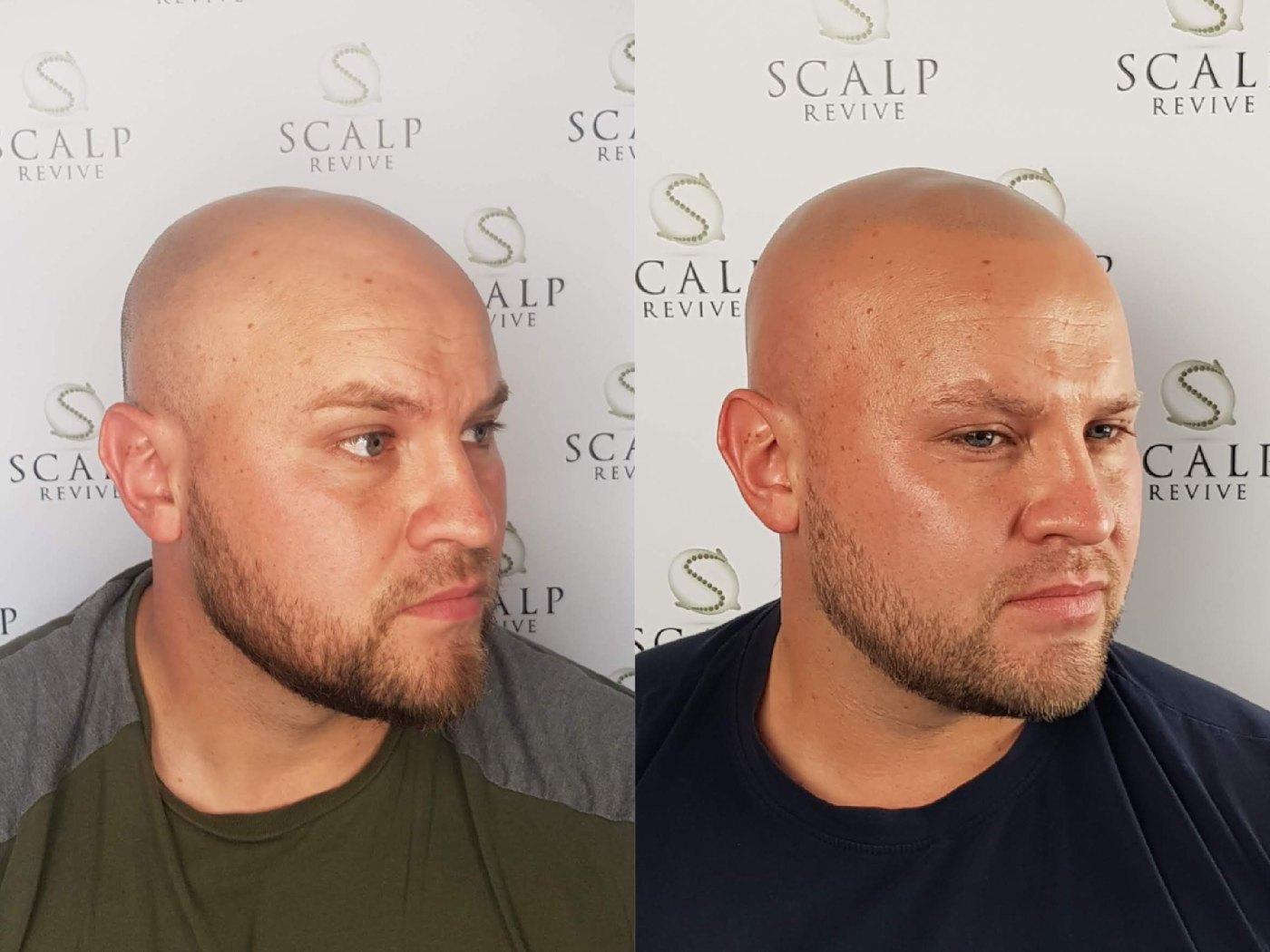
Scalp micropigmentation usually causes mild to moderate discomfort rather than severe pain. Most people describe a scratching or tapping sensation, and comfort varies with sensitivity, treatment area and session length. I use numbing medicine and work at a controlled pace, so we can pause if you need a break.
What does scalp micropigmentation feel like?
Scalp micropigmentation is a cosmetic tattoo procedure, so some sensation is expected. The sensation is commonly described as light scratching, tapping or a fine vibrating feeling as tiny pigment impressions are placed into the scalp.
It is not accurate to say that treatment is completely painless. However, the discomfort is usually manageable and does not continue once the session has finished. People have different pain thresholds, and the scalp can feel more sensitive in some areas than others. The temples and the front hairline, for example, may feel more noticeable than areas with thicker skin or existing hair.
Your own expectations can affect the experience too. If you are nervous about SMP pain, tell me before we begin. I would rather know that you are apprehensive than have you sit quietly while becoming increasingly uncomfortable. We can agree on signals for stopping, take short breaks and keep the pace controlled.
How painful is SMP compared with a normal tattoo?
Many people find scalp micropigmentation less uncomfortable than, or comparable to, a traditional tattoo. That does not mean every person will experience it in the same way. Skin sensitivity, the treatment area and the length of the appointment all influence the scalp micropigmentation pain level.
SMP also differs from a conventional body tattoo in its purpose and technique. The aim is to create a natural-looking pattern of tiny follicle impressions, not a solid block of colour. I build the result gradually, paying attention to spacing, shade and how the skin is responding rather than trying to complete everything aggressively in one pass.
If you are comparing treatments, it is sensible to ask the practitioner how they approach comfort, skin depth, breaks and aftercare. A rushed procedure can make the experience harder and may also affect the healed appearance. Your consultation should cover both what SMP feels like and what result is realistic for your hair loss pattern.
How is discomfort managed during an SMP session?
Before treatment, I assess the area, discuss your expectations and agree the design. This includes the hairline where relevant, because the shape and position should suit your facial structure and the amount of hair loss you have. I also match the pigment to your current follicle colour.
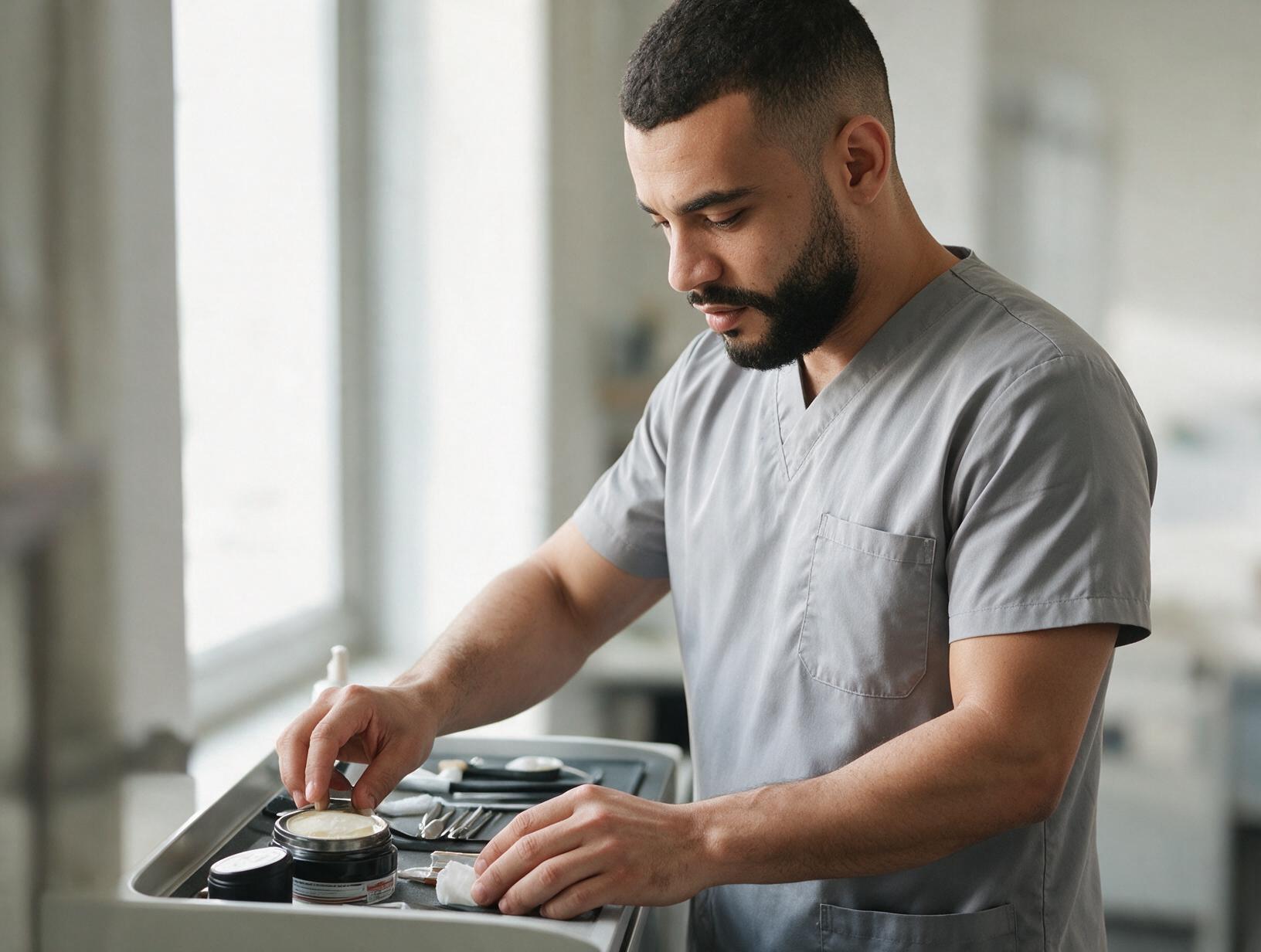
Numbing medicine is applied before I start. It can reduce the sensation, although it does not remove every feeling from the scalp. I still work carefully and check how you are doing as the session progresses. If an area feels too sensitive, we can pause and allow the numbing medicine more time to work.
Session length varies with the size and complexity of the area. Longer appointments can be tiring even when the pain itself is modest, so I do not view breaks as a problem. A comfortable client is better able to remain still, communicate clearly and make sensible decisions about the design.
If you have previously struggled with tattoo procedures, local sensitivity or a particularly anxious response to needles, mention it at your free consultation. I am Shane Anderson, lead artist at Scalp Revive, and I can explain the likely sensation for your planned treatment rather than giving you a generic answer.
What should I do before treatment to make it more comfortable?
Arrive with clean hair and scalp. I also recommend following the preparation instructions provided at consultation, including avoiding topical hair products in the week before your appointment. Avoid alcohol the day before and after the session, because it thins the blood.
Come rested and hydrated. It is also important to tell me about allergies, medicines, skin conditions and any history of keloid scarring. Active scalp acne, eczema or a psoriasis flare-up may mean treatment should wait. People prone to keloids should not undergo SMP without appropriate professional advice, because tattooing can trigger abnormal scar formation.
Do not take or stop medication specifically for an SMP appointment without speaking to the clinician who prescribed it. If you use blood-thinning medication, disclose this during consultation so the situation can be assessed safely.
Choosing the practitioner is part of reducing risk and improving comfort. Look for SMP-specific training, appropriate body art licensing, bloodborne pathogens certification, a clean studio and real examples of healed work. Pay particular attention to hairline work. A hairline can look acceptable in a fresh photograph but appear less natural once healed, so ask to see results at a normal viewing distance.
What will my scalp feel like afterwards?
It is normal for the scalp to feel tender, warm or sensitive for a short period after SMP. The area may also look darker or slightly red before it settles. Colour lightening during healing is expected, so do not judge the final result immediately after a session.
For the first four days, follow your specific aftercare instructions. General guidance is to keep the scalp dry, avoid washing, shaving, sweating and strenuous exercise, and stay away from hot showers, steam rooms and other hot environments. Avoid direct sun exposure during this early period as well.
After that, gentle washing can usually resume as advised. Avoid swimming pools, saunas and steam rooms for the longer period specified by your practitioner. Once the scalp has healed, moisturising and long-term sun protection can help protect the appearance of the pigment. Full settling takes time, so the final colour and softness should be assessed after healing rather than during the first few days.
Contact the clinic if you have unusual discomfort or a healing concern that was not discussed with you. Fever, pus or drainage, severe pain, marked redness or increasing swelling should be discussed with a healthcare provider promptly.
Is SMP worth considering if I am worried about pain?
For most people, concern about discomfort does not prevent them completing treatment, but it should be discussed honestly before booking. SMP does not regrow hair or treat the cause of hair loss. It creates a visual impression of follicles or reduced scalp contrast, and the result depends on careful design, pigment placement and realistic expectations.
At Scalp Revive in Alwoodley, Leeds, I offer a free consultation so we can discuss your hair loss, proposed style, scalp condition and comfort preferences. You can also read more about the scalp micropigmentation treatment before deciding whether it is appropriate for you.
If you want to understand the longer-term commitment, my guide to whether scalp micropigmentation can be a choice you regret covers questions about permanence, changing hair loss and expectations.
If you would like to talk through SMP pain and suitability, you can book a free consultation without committing to treatment.
Frequently asked questions
Does SMP feel different on a completely bald scalp?
Not necessarily. A bald scalp may make each sensation more noticeable because there is no surrounding hair, but pain still varies with skin sensitivity, the area being treated and your individual tolerance. I assess the scalp and explain the likely experience before treatment rather than assuming a bald scalp will hurt more.
Does SMP hurt more around the hairline?
The front hairline and temples can feel more sensitive for some people, although this is not universal. I work gradually around these areas and use numbing medicine. If the sensation becomes uncomfortable, tell me straight away so I can pause, reassess and continue at a more suitable pace.
Can I have pain relief before scalp micropigmentation?
Ask your healthcare professional before taking any pain relief or changing regular medication. Some medicines can affect bleeding or interact with your circumstances. I need to know about medicines and supplements during consultation, but I cannot advise you to stop prescribed treatment for a cosmetic procedure.
Will SMP hurt more if I have sensitive skin?
Sensitive skin may make the procedure feel more noticeable, but sensitivity does not automatically mean SMP is unsuitable. The scalp should be checked for active irritation, eczema, psoriasis or other concerns first. I can discuss pacing and comfort measures during consultation, while any medical skin concern may need professional assessment.
Can scar tissue feel different from the rest of the scalp during SMP?
Not always. Scar tissue can respond differently from unaffected scalp, and sensation may vary according to the scar's texture, position and maturity. A scar should be fully healed and stable before treatment is considered. I assess it in person and explain the likely comfort and suitability rather than relying on a photograph.
How long does SMP soreness last?
Temporary tenderness, dryness or sensitivity can occur while the scalp settles, but significant or worsening discomfort is not something to ignore. Follow the aftercare instructions you are given and contact the clinic about concerns. Severe pain, fever, pus, drainage, marked redness or swelling should be discussed with a healthcare provider.
Can I sleep during an SMP session?
Some clients find the sensation manageable enough to relax, but you need to remain still while I work, particularly around the hairline. I will explain when movement is safe and offer breaks when needed. It is better to communicate with me than to try to tolerate discomfort silently or shift unexpectedly.