2026-11-02
What to know before choosing a scalp tattoo
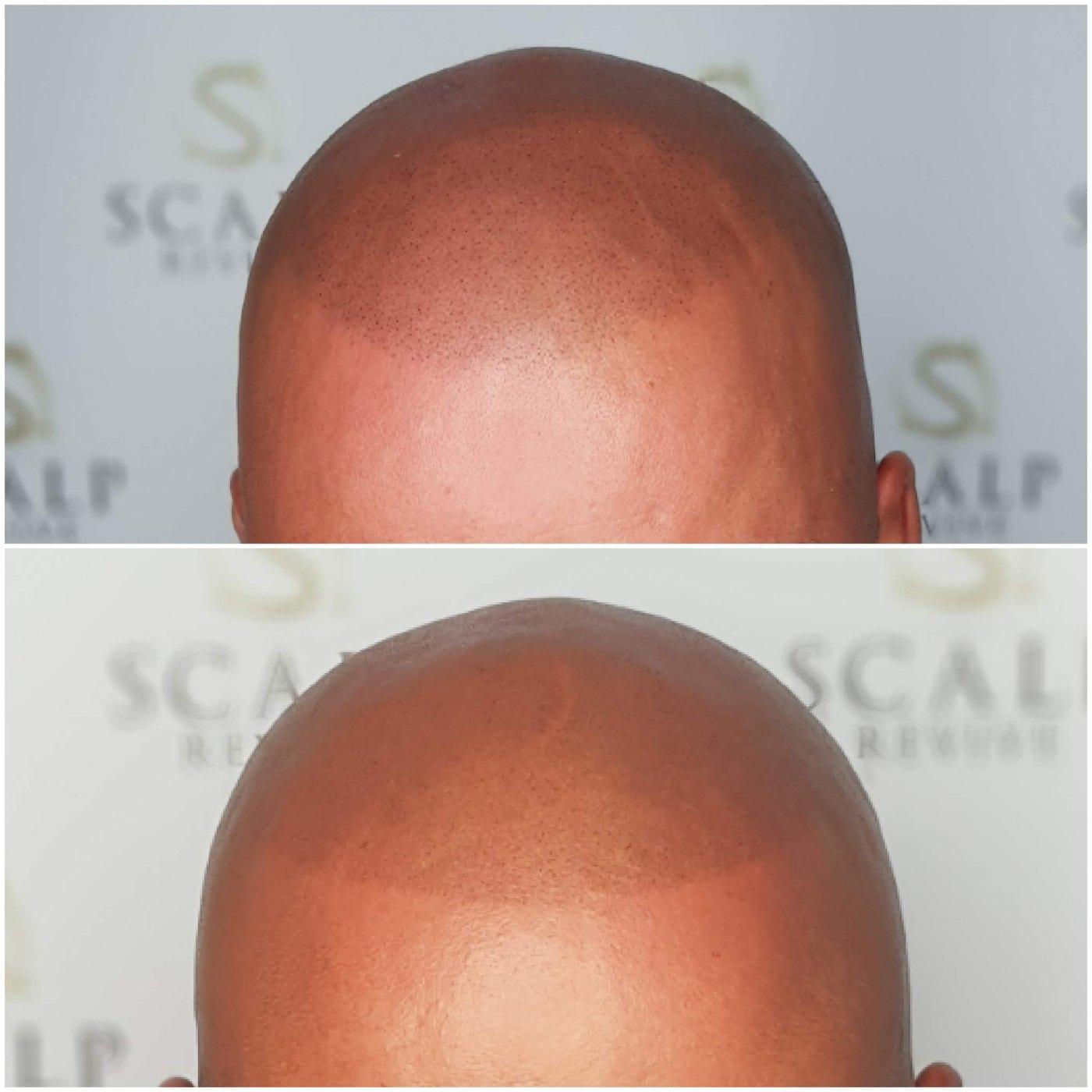
SMP is generally considered safe when performed by a properly trained, licensed practitioner using sterile equipment and suitable pigments. It is still a cosmetic tattoo, so risks include infection, allergic reaction, pigment spreading, colour change, scarring and irritation. Your medical history, scalp condition and aftercare all matter.
What does SMP involve?
Scalp micropigmentation is a cosmetic tattoo treatment. I use very fine needles to place tiny pigment dots into the scalp, creating the visual impression of fuller hair, a closely shaved head or greater density between existing hairs. It does not grow hair, alter natural hair growth or treat the cause of hair loss.
Because it is a tattoo, the procedure should be approached with the same care you would expect from any professional body art treatment. The pigment needs to be placed at the correct depth. Too shallow and it can fade quickly. Too deep and the dots may spread, blur or join together, creating an unnatural appearance.
A safe result is not only about avoiding a physical complication. Poorly planned work can also leave an unsuitable hairline, uneven density or a colour that does not blend with your natural hair. This is why I consider healed hairline work one of the most important things to review when choosing an artist.
You can read more about the treatment itself on my scalp micropigmentation treatment page.
What are the possible scalp micropigmentation risks?
Most people experience some temporary tenderness, redness, sensitivity or mild swelling. The scalp may look darker at first, then soften as it heals. Lightening during healing is normal and does not automatically mean the treatment has failed.
The more significant risks associated with cosmetic tattooing include:
- Infection: this is more likely when hygiene, sterile technique or aftercare is inadequate.
- Allergic reaction: some people can react to pigment ingredients, although reactions are not common.
- Pigment migration or blurring: incorrect depth or excessive pigment can make individual dots lose definition.
- Colour change: ultraviolet exposure, pigment choice and skin behaviour can affect how the colour ages.
- Scarring or granulomas: these are uncommon but possible reactions to skin trauma or foreign pigment.
- Uneven or unnatural results: this can happen when the hairline, colour, dot size or density is poorly assessed.
Some pigments may contain metallic components. Rarely, people report discomfort or swelling in a treated area during an MRI scan. Always tell your healthcare professional about any tattoos or cosmetic pigmentation before an MRI.
Scar tissue can be less predictable than ordinary scalp skin. If you are considering scar camouflage, I assess the scar carefully and explain what may and may not be achievable before treatment.

Who should take extra care before booking?
I need to know about your medical history, allergies, medication and any previous problems with tattooing. Active scalp acne, eczema, psoriasis or another irritated skin condition should be settled before treatment. Treating inflamed skin can increase discomfort and make healing less predictable.
If you have a history of keloid or spontaneous keloid scarring, SMP may not be suitable because tattooing can trigger abnormal scar formation. I recommend discussing this with a dermatologist before making a decision.
If you are investigating unexplained hair loss, SMP should not replace a medical assessment. In particular, suspected female pattern hair loss can resemble hair loss caused by hormonal, metabolic or other health conditions. Those causes may need to be excluded before camouflage is considered.
At my Alwoodley studio in Leeds, a free consultation lets me look at your scalp, the pattern of hair loss, your existing hair, skin condition and expectations. I also explain that a natural result normally allows some visible scalp to show through. The aim is not to paint the scalp into a solid, dense block of colour.
How can you reduce the risks?
Start by checking that your practitioner has dedicated SMP training, a body art practitioner licence and bloodborne pathogens certification where required. You should also be able to see clear examples of healed work, not only freshly completed results. Ask how the practitioner chooses pigment, designs the hairline and manages scarred or sensitive skin.
In the studio, needles should be single-use and opened appropriately, with gloves, barrier protection and clean working practices in place. It is reasonable to ask questions about hygiene. A professional should answer plainly rather than make you feel awkward for asking.
Tell me about every known allergy, skin condition and relevant medication. A small patch test may be discussed where appropriate, although no test can predict every possible reaction. Do not book while the scalp is actively inflamed or sunburnt.
Before your appointment, arrive with clean hair and scalp. Avoid applying topical hair products in the week beforehand, and follow the preparation guidance you receive. Treatment areas should be marked and discussed, the hairline agreed with your facial structure and age in mind, and the pigment matched to your current hair colour before work begins.
If you are nervous about discomfort, say so. I explain what the treatment is likely to feel like and what comfort measures are available. My article on what SMP feels like and how discomfort is managed covers that question in more detail.
What aftercare helps SMP heal safely?
After each session, keep the treated scalp dry for the period I specify. In practical terms, this usually means avoiding washing, wetting, shaving, sweating, heavy exercise, hot showers and steam rooms for the first few days. Use a shower cap when bathing, and avoid direct sun on the scalp while it is settling.
Do not pick scabs or interfere with the skin. Colour can look lighter as the scalp heals, and that change is expected. Once the initial healing period has passed, gentle washing can resume as advised. After the final treatment, swimming pools, saunas and steam rooms should be avoided for the advised healing period, which I will confirm with you. Long term, protect the scalp from ultraviolet exposure with broad-spectrum SPF.
Contact me if you have a healing concern that differs from what we discussed. Seek prompt healthcare advice for fever, pus or drainage, severe pain, marked redness, increasing warmth or significant swelling, as these may indicate infection.
What should you expect from a safe result?
SMP normally builds gradually rather than being completed in one rushed appointment. Early sessions are generally lighter, and further sessions add density and definition. Further sessions can add density and definition once the previous work has settled. The number and timing of sessions varies with the area, skin, hair loss pattern and your chosen finish.
Pigment is permanent in the skin, but the visible result fades over time. Sun exposure, skin type, lifestyle, pigment placement and scar tissue can all affect longevity. Touch-ups may eventually be appropriate. If you ever dislike the result, correction or laser removal may be possible, but removal is more complicated when pigment has been placed too deeply or has blurred.
My role is to explain those limits before we begin, assess whether the treatment is suitable and work conservatively. If you would like to discuss your scalp and the risks in person, you are welcome to book a free consultation.
Frequently asked questions
Can SMP damage existing hair follicles?
SMP is designed to place pigment in the upper layers of the scalp, not into the hair follicle itself. It does not stimulate growth, but it should not damage existing follicles when performed correctly. Incorrect depth, poor technique or treating inflamed skin can create avoidable complications, which is why specialist training matters.
Can I have SMP if I have alopecia?
Some people with alopecia may be suitable, but the answer depends on the type of alopecia, whether the condition is active, the state of the scalp and the pattern of hair loss. Scarring alopecia can behave differently from unaffected scalp and may lose pigment sooner, so expectations need careful discussion.
Is a patch test needed before SMP?
A practitioner may offer a small patch test in an inconspicuous area to look for a reaction to the pigment. A patch test cannot rule out every possible sensitivity, so you must still disclose allergies and previous reactions. Your practitioner should explain the pigment used and what to do if irritation develops.
Can SMP cause a keloid scar?
Any procedure that breaks the skin can potentially trigger abnormal scarring in someone prone to keloids. If you have formed keloids before, or develop them without an obvious injury, seek advice from a dermatologist before booking. SMP may not be appropriate, even if the treatment area has never scarred previously.
Does SMP hurt more on scar tissue?
Discomfort varies between people and between areas of scar tissue. Scarred skin can respond differently from normal scalp, so the experience may be less predictable. Tell your practitioner about previous tattoo discomfort or sensitivity. They can discuss comfort measures and whether the scar appears ready to be treated.
Can an MRI affect scalp micropigmentation?
Some tattoo and cosmetic pigments may contain metallic ingredients. Rare reports describe warmth, swelling or discomfort during an MRI. Tell the imaging team about your SMP before the scan and follow their instructions. Do not assume that cosmetic pigmentation is irrelevant simply because it is not a traditional body tattoo.
Can infection happen after SMP even in a clean studio?
Good hygiene greatly reduces avoidable risk, but no skin-breaking procedure is entirely risk-free. Follow the aftercare instructions carefully and watch for worsening redness, warmth, swelling, pus, drainage, severe pain or fever. Contact the practitioner about concerns and seek healthcare advice promptly if infection symptoms appear.