2026-10-18
Which hair loss option suits your goals?
Neither treatment is automatically better. A hair transplant aims to move living follicles and grow hair, while scalp micropigmentation creates the appearance of follicles with cosmetic pigment. I help clients compare the two by looking at their hair loss, expectations, preferred hairstyle, tolerance for surgery and desired recovery time.
What is the difference between the two treatments?
The simplest way to compare scalp micropigmentation vs hair transplant is to ask what each treatment is designed to do.
A hair transplant is a surgical procedure. Follicles are taken from one area of the scalp and placed into another, with the intention that they continue to grow hair. The result depends on factors such as donor hair, the pattern of hair loss and the quality of the surgical plan.
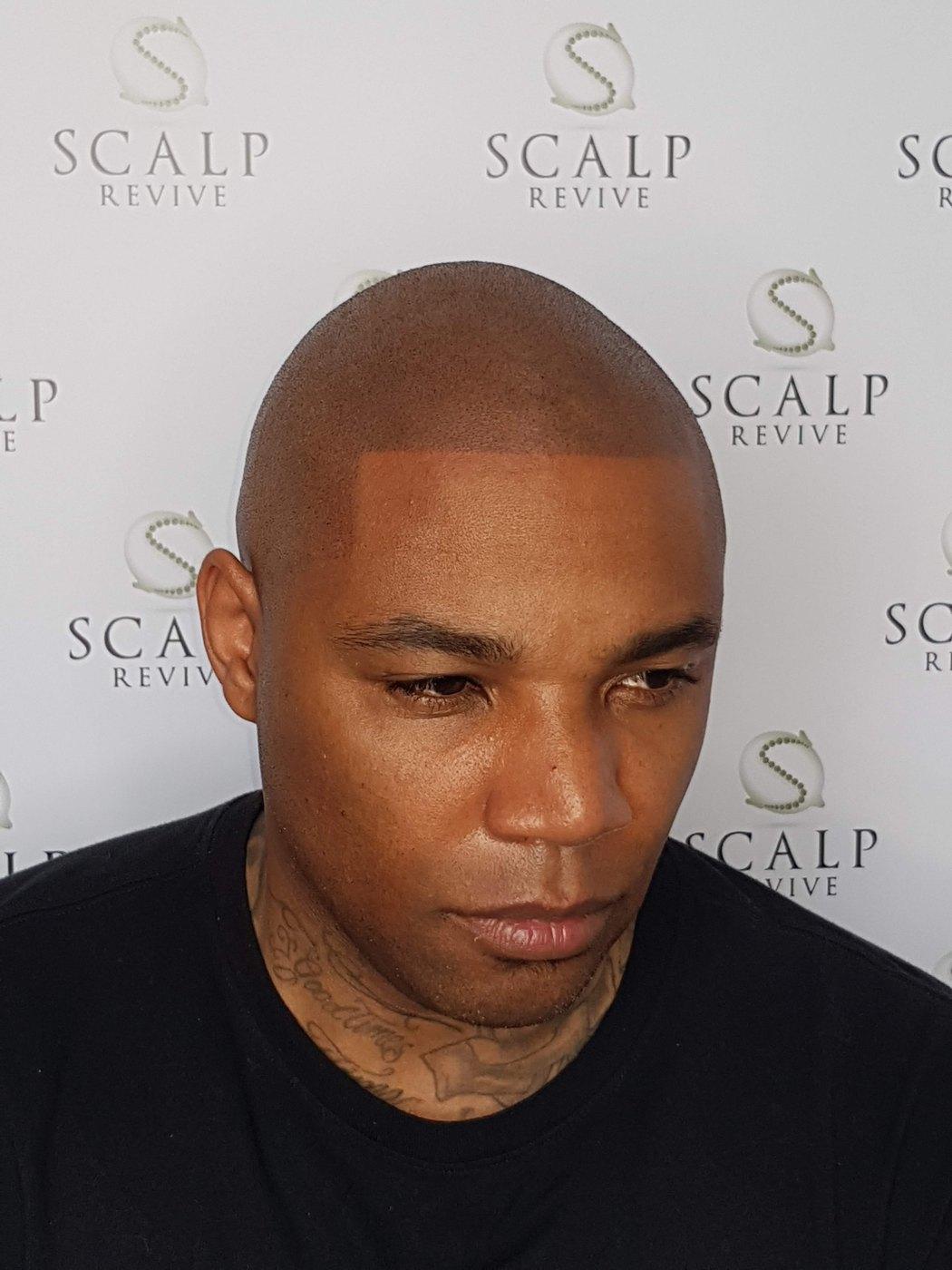
Scalp micropigmentation, or SMP, is a non-surgical cosmetic tattoo treatment. I place tiny points of permanent cosmetic pigment into the scalp to recreate the visual impression of closely cropped follicles. It can reduce the contrast between the scalp and existing hair, define a hairline or camouflage scars, but it does not grow hair or alter the underlying cause of hair loss.
That distinction matters. If your priority is biological hair growth and you are suitable for surgery, a transplant may be the route to investigate with a properly qualified hair restoration surgeon. If you want a shaved-head appearance, improved visual density or camouflage without surgery, SMP may be the more suitable option.
I explain the treatment in more detail on my scalp micropigmentation treatment page, including how the approach can be adapted for hair loss, alopecia and scars.
Why might someone choose a hair tattoo instead?
Many clients consider SMP because they do not want surgery, incisions or a lengthy surgical recovery. The treatment is less invasive than a hair transplant, and the aftercare is mainly about protecting the treated scalp while the pigment settles.
A hair tattoo (a tattoo hair treatment for hair loss) can work particularly well for someone who prefers a closely shaved style. It can also be applied between existing hairs to reduce visible scalp show-through, which is why some men with thinning hair choose male density SMP rather than shaving completely.
SMP can also be useful after a transplant. It may camouflage donor scars, recipient-area scarring or areas where the transplanted hair still looks less dense than hoped. In that situation, the treatments are not necessarily competing choices. Some people use a transplant for hair growth and SMP later for additional visual density or scar camouflage.
The finish should not look like a painted, solid scalp. I establish realistic expectations during consultation because a natural result includes some visible scalp. Pigment is matched to the current hair follicle colour, and the hairline needs careful attention. A poorly considered hairline is one of the quickest ways for a result to look unnatural, so I assess facial structure, age and the way the client normally wears their hair.

Which option has the easier recovery?
SMP does not involve surgery, but it is still a tattoo procedure and needs sensible aftercare. I normally advise clients to avoid washing, wetting, shaving or excessive sweating on the treated scalp for the first four days. Heavy exercise, hot showers, steam rooms and direct sun should also be avoided as advised during treatment.
After that initial period, gentle washing can resume, followed by normal grooming as the scalp settles. I advise using sun protection once appropriate, because ultraviolet exposure contributes to pigment fading. Full healing takes time, and colour can appear stronger at first before softening. Clients should not pick scabs or interfere with the area outside the aftercare guidance they receive.
A transplant has a different recovery process because it involves surgery, healing donor and recipient areas, and a period during which the transplanted follicles settle. The exact experience varies according to the technique and the surgeon. Anyone considering surgery should discuss recovery, risks, medication and likely growth with the operating clinic rather than relying on a cosmetic tattoo consultation.
SMP is not entirely permanent in appearance. Although some pigment remains in the skin, it gradually softens and fades. Many people return for a touch-up eventually, but the timing depends on skin type, sun exposure, lifestyle, medication and other hair loss treatments.
Who may not be ready for SMP?
SMP is a camouflage treatment, not a diagnosis or treatment for an underlying medical condition. If hair loss is sudden, patchy or unexplained, I would encourage you to speak with a healthcare professional before booking cosmetic treatment. For suspected female pattern hair loss, other conditions, metabolic issues and hormone imbalances may need to be excluded first.
Active scalp acne, eczema or psoriasis flare-ups can make treatment unsuitable until the skin has settled. Anyone with a history of keloid or spontaneous keloid scarring should discuss the risks with a dermatologist before considering tattooing. I also need to know about allergies and relevant medical history.
When choosing an SMP practitioner, look beyond polished photographs. Ask to see healed work, not only freshly completed work, and check the artist's specific SMP training, body art licence, bloodborne pathogens certification and studio hygiene. Needles should be packaged and opened in front of you, with appropriate gloves, barriers and device protection in place. A small patch test can also be discussed where appropriate.
At Scalp Revive in Alwoodley, Leeds, I am lead artist. My background includes barbering and hairline work, and I am trained in permanent SMP and tricopigmentation. My role is not to push you towards one option, but to explain what a hair tattoo can and cannot achieve for your pattern of hair loss.
How should you decide between SMP and transplant surgery?
Start with the result you want to see in the mirror. If you want hair that grows from transplanted follicles, seek a consultation with a qualified transplant surgeon. If you want the appearance of a fuller scalp, a defined shaved hairline or camouflage for thinning and scars without surgery, SMP may be worth considering.
Think about your preferred hairstyle too. Fine stubble can help existing hair blend with SMP, while more advanced loss may suit a fully shaved finish. I can also discuss permanent SMP alongside tricopigmentation, which is a more temporary approach for people who are not ready to commit to a lasting cosmetic tattoo.
Finally, consider the practitioner as carefully as the procedure. Look closely at hairline design, dot placement, healed colour and how naturally the work blends with different skin tones. A free consultation gives us time to discuss your goals, medical history, lifestyle and realistic expectations without pressure.
If you would like to compare your options in person, you can book a free consultation with me.
Frequently asked questions
Can SMP and a hair transplant be combined?
Yes, they can sometimes complement one another. A transplant may provide growing hair, while SMP can reduce scalp contrast around thinning areas or camouflage donor and recipient scars. The timing matters, particularly while transplanted follicles and surgical scars are still settling, so discuss the plan with both practitioners before booking either procedure.
Does SMP look natural if I still have hair?
It can, provided the pigment colour, dot size, spacing and hairline are planned around your existing hair. Density SMP is designed for clients who want to keep their hair rather than shave it completely. The aim is to reduce visible scalp show-through, not create an opaque painted effect.
Is a hair tattoo permanent?
SMP is intended as a lasting cosmetic tattoo, but its visible appearance softens and fades over time. Sun exposure, skin type, lifestyle and other factors affect how quickly this happens. Touch-ups may eventually be needed. Laser removal is possible, although removal can be more difficult when the original application was poorly performed.
How painful is scalp micropigmentation compared with a transplant?
SMP usually causes manageable discomfort, generally comparable to or less than a regular tattoo, although sensitivity varies between people. A transplant involves surgery and therefore has a different form of discomfort and recovery. Your surgeon should explain anaesthesia, pain relief and surgical aftercare, while your SMP practitioner should explain the tattoo process beforehand.
Can SMP hide a hair transplant scar?
SMP can camouflage some FUE or FUT donor scarring by placing pigment around and within suitable scar tissue, helping it blend with surrounding follicle patterns. Scar tissue behaves differently from normal scalp, so suitability and expected retention need to be assessed individually. A consultation should include a close look at the scar.
How long does an SMP appointment take?
The time varies with the area being treated, the amount of hair loss and the design. SMP is normally built gradually across multiple appointments rather than completed in one rushed visit. During consultation, I can explain the likely structure of your plan, healing intervals and what each stage is intended to achieve.
Can SMP treat the cause of hair loss?
No. SMP is cosmetic camouflage. It does not stimulate regrowth, change natural hair growth or prevent an underlying condition from progressing. If your loss is new, rapid or unexplained, arrange an assessment with a healthcare professional first. Cosmetic treatment should follow an appropriate understanding of the cause and pattern.